Maximizing Your RRSP for Educational Pursuits: A 2026 Strategy Guide to the Lifelong Learning Plan
Advertisements

Thinking about returning to school or funding a degree, but worried about upfront tuition costs? Leveraging your RRSP for Educational Pursuits through Canada’s Lifelong Learning Plan (LLP) allows you to unlock tax-deferred savings for skill upgrades without early withdrawal penalties.
By converting retirement capital into an interest-free loan to yourself, adult learners can cover full-time training or post-secondary expenses. Strategic timing around contribution room and tax brackets ensures you maximize registered plan benefits while protecting long-term wealth growth.
Ready to finance your academic goals without sacrificing future financial security? Here is your step-by-step 2026 roadmap to managing LLP rules, tax implications, and repayment timelines smoothly.
Understanding the Lifelong Learning Plan (LLP) for 2026
The Lifelong Learning Plan (LLP) permits eligible individuals to withdraw funds from their Registered Retirement Savings Plan (RRSP) to finance full-time training or education for themselves or a spouse or common-law partner.
This provision allows Canadians to invest in their human capital without immediate tax consequences on the withdrawn amounts, provided the funds are repaid within a specified timeframe.
For 2026, the fundamental principles of the LLP remain consistent, offering a valuable resource for those pursuing post-secondary education or vocational training.
It represents a strategic financial tool for Canadians seeking to upgrade skills, change careers, or achieve higher educational qualifications.
The LLP is distinct from other educational funding avenues, as it leverages pre-tax RRSP contributions, effectively providing an interest-free loan from your retirement savings. This makes it an attractive option for many, particularly when considering the rising costs of education.
Eligibility Criteria for LLP Withdrawals
To qualify for LLP withdrawals, both the individual making the withdrawal and the student must meet specific criteria set by the Canada Revenue Agency (CRA). The student must be enrolled full-time in a qualifying educational program at a designated educational institution.
The program must last at least three months and require at least 10 hours of instruction or work per week. This ensures that the LLP supports substantial educational commitments rather than short-term courses.
- The student must be enrolled in a qualifying educational program.
- The program must be full-time, lasting at least three months.
- The student must spend a minimum of 10 hours per week on coursework.
It is important to note that you cannot use the LLP to finance your children’s education, only your own or your spouse’s. This is a critical distinction when planning your educational funding strategies.
Withdrawal Limits and Repayment Obligations
Under the LLP, an individual can withdraw up to $10,000 in a calendar year from their RRSP, with a maximum total withdrawal of $20,000 over a four-year period.
These withdrawals are tax-free at the time of withdrawal, provided they are repaid into an RRSP within the stipulated repayment period.
The repayment period typically begins in the second year after the year of the first withdrawal or the first year after the year the student is no longer a full-time student, whichever comes first.
Repayments must be made over a 10-year period, with 1/10th of the total withdrawn amount due each year.
- Annual withdrawal limit: $10,000.
- Maximum total withdrawal: $20,000 over four years.
- Repayment period: 10 years, starting as specified.
Failure to make a required repayment in any given year will result in the missed payment being added to your taxable income for that year. This underscores the importance of a well-structured repayment plan when Maximizing Your RRSP for Educational Pursuits.
Strategic Planning for RRSP Educational Withdrawals
Effective utilization of your RRSP for educational pursuits requires careful strategic planning to maximize benefits and minimize potential tax implications. This involves considering your current RRSP contributions, future income projections, and the overall cost of the educational program.
A well-thought-out plan ensures that you not only fund your education but also maintain the long-term integrity of your retirement savings. It’s a delicate balance that needs foresight and informed decision-making.
Consider consulting with a financial advisor to tailor a strategy that aligns with your specific financial situation and educational goals. This professional guidance can be invaluable in navigating the complexities of the LLP and other financial instruments.
Optimizing Contributions Before Withdrawal
Before initiating LLP withdrawals, it is often advantageous to maximize your RRSP contributions to benefit from the immediate tax deduction.
This allows you to reduce your taxable income in the years leading up to your educational pursuit, potentially increasing your refund or reducing your tax payable.
The larger your RRSP balance, the more flexibility you have when considering withdrawals under the LLP. This pre-planning step can significantly enhance your ability to fund your education while simultaneously optimizing your tax situation.
By contributing strategically, you effectively create a larger pool of funds available for tax-free withdrawal when you need it for your education. This proactive approach is a cornerstone of Maximizing Your RRSP for Educational Pursuits.
Integrating LLP with Other Funding Sources
The LLP should not be viewed in isolation but rather as one component of a comprehensive educational funding strategy. Consider how it integrates with other sources such as scholarships, grants, Canada Student Loans, and personal savings.
Combining various funding mechanisms can reduce the overall financial burden of education and limit the amount you need to withdraw from your RRSP. This diversified approach can provide greater financial stability during your studies.
For example, using scholarships to cover tuition and the LLP for living expenses can be a highly effective strategy. This holistic view is key to successfully Maximizing Your RRSP for Educational Pursuits.
Tax Implications and Repayment Strategies for the LLP
While LLP withdrawals are initially tax-free, understanding the repayment obligations and potential tax implications of missed payments is crucial for effective financial management. A clear repayment strategy is paramount to avoid unexpected tax burdens.
The CRA meticulously tracks LLP repayments, and any deviation from the schedule can lead to portions of your outstanding balance being added to your taxable income for the year. This can significantly impact your tax bill.
Therefore, a proactive approach to repayment, potentially even accelerating payments when financially feasible, is a smart move for anyone utilizing the LLP. This ensures that the benefit remains truly tax-deferred.
Understanding the Repayment Schedule
The repayment schedule for the LLP is designed to be flexible, spanning 10 years, but it requires diligent tracking. The first repayment is due in the second calendar year following the first withdrawal, or the first year after the student ceases to be full-time, whichever is earlier.
Each year, 1/10th of the total withdrawn amount must be repaid to your RRSP. It is your responsibility to ensure these payments are made on time to avoid tax consequences.
The CRA provides an LLP statement with your Notice of Assessment, detailing your outstanding balance and the minimum required repayment for the year. This information is a critical tool for managing your LLP obligations when Maximizing Your RRSP for Educational Pursuits.
Strategies to Avoid Taxable Income from LLP
To prevent LLP withdrawals from becoming taxable income, consistent and timely repayments are essential. If you anticipate difficulty making a payment, consider making smaller, more frequent contributions throughout the year to ease the burden.
Another strategy is to make repayments even if you are not legally required to yet, especially if you have available RRSP contribution room. Accelerating repayments can reduce your outstanding balance faster and provide peace of mind.
Furthermore, ensure you correctly designate your RRSP contributions as LLP repayments when filing your tax return. This crucial step confirms to the CRA that the funds are indeed being used to satisfy your LLP obligations, a key aspect of Maximizing Your RRSP for Educational Pursuits.
Comparing LLP with Other Educational Funding Options
When planning for educational expenses, it is important to compare the Lifelong Learning Plan with other available funding options to determine the most suitable approach for your specific circumstances.
Each option has its own advantages and disadvantages that warrant careful consideration.
Understanding these distinctions allows for a more informed decision-making process, ensuring that you select the funding strategy that best aligns with your financial goals and educational needs. This comprehensive view is vital for effective financial planning.
By evaluating the LLP alongside alternatives like Registered Education Savings Plans (RESPs), Canada Student Loans, and personal savings, you can construct a robust and efficient funding framework for your educational pursuits.
LLP vs. Registered Education Savings Plans (RESPs)
RESPs are specifically designed for saving for a child’s post-secondary education and benefit from government grants like the Canada Education Savings Grant (CESG), which can add up to $7,200 over the life of the plan.
Funds grow tax-deferred, and withdrawals are taxed in the student’s hands, often at a lower rate.
The key difference is that RESPs are for children’s education, whereas the LLP is for your own or your spouse’s education. RESPs offer direct government incentives not available with the LLP, making them a powerful tool for long-term educational savings for younger generations.
While both offer tax-deferred growth, the nature of their purpose and the beneficiaries differ significantly. For Maximizing Your RRSP for Educational Pursuits, the LLP serves a distinct role for adult learners, while RESPs are for dependent children.

LLP vs. Canada Student Loans and Personal Savings
Canada Student Loans (CSLs) are government-sponsored loans that offer lower interest rates and flexible repayment terms compared to conventional bank loans.
They are needs-based, meaning eligibility depends on your financial situation, and they can be interest-free while you are a full-time student.
Personal savings, while straightforward, do not offer the tax advantages or interest-free loan component of the LLP. Using personal savings means foregoing potential investment growth and losing the tax deduction initially received from RRSP contributions.
The LLP provides an interest-free loan from your own savings, which must be repaid, unlike CSLs which are external loans.
The decision between these options often depends on your current financial liquidity, eligibility for CSLs, and comfort level with drawing from retirement savings, all factors in Maximizing Your RRSP for Educational Pursuits.
Case Studies: Successful LLP Implementation in 2026
Examining real-world examples of how Canadians are successfully utilizing the Lifelong Learning Plan can provide valuable insights and practical guidance. These case studies highlight diverse scenarios and effective strategies for leveraging RRSPs for educational goals.
From career changers to those pursuing advanced degrees, the LLP offers a flexible solution that can be adapted to various personal and professional aspirations. The key lies in understanding the rules and planning meticulously.
These examples demonstrate that with proper planning, Maximizing Your RRSP for Educational Pursuits is not only feasible but also a highly beneficial financial strategy.
Scenario 1: Career Transition at Mid-Life
Sarah, a 45-year-old marketing professional, decided to pursue a nursing degree in 2026 to transition into healthcare. She had accumulated a significant RRSP balance over two decades of employment. Recognizing the high cost of a four-year program, she opted to use the LLP.
Sarah withdrew $10,000 annually for two years, totaling $20,000, to cover tuition and living expenses during her studies. By carefully tracking her withdrawals and planning her repayments, she ensured she met her obligations without incurring tax penalties.
Her strategy involved making accelerated repayments during her part-time work periods and after securing her new nursing position, ensuring her RRSP was fully replenished within seven years.
This allowed her to successfully navigate her career change while Maximizing Your RRSP for Educational Pursuits.
Scenario 2: Supporting a Spouse’s Advanced Degree
Mark, a 50-year-old engineer, wanted to support his wife, Emily, in pursuing her Ph.D. in environmental science starting in 2026. Emily had limited personal savings, and Mark’s RRSP provided a viable solution through the LLP.
Mark withdrew $10,000 from his RRSP in the first year to cover Emily’s initial tuition and research costs. He plans to withdraw another $10,000 in the second year, reaching the maximum $20,000 limit for her multi-year program.
They established a joint budget to ensure timely repayments, allocating a portion of Mark’s income to RRSP contributions designated as LLP repayments.
This joint effort enabled Emily to pursue her academic dreams without significant financial strain on their household, effectively Maximizing Your RRSP for Educational Pursuits.
Potential Pitfalls and How to Avoid Them
While the Lifelong Learning Plan offers significant advantages, there are potential pitfalls that Canadians should be aware of to avoid unintended financial consequences. Proactive awareness and careful management are key to a smooth process.
These pitfalls often stem from a lack of understanding of the repayment rules or insufficient planning for future financial obligations. It is crucial to approach the LLP with a clear strategy and realistic expectations.
By identifying these common challenges upfront, individuals can implement safeguards to ensure their educational pursuits are financially sound and do not jeopardize their retirement savings. This is central to Maximizing Your RRSP for Educational Pursuits.
Missing Repayment Deadlines
One of the most common pitfalls is failing to make the required LLP repayments on time. As noted, any missed repayment amount will be added to your taxable income for that year, potentially increasing your tax liability significantly.
This can erode the tax-deferred benefit of the LLP, turning what was intended as an interest-free loan into a taxable event. The impact on your annual income can be substantial, especially for larger outstanding balances.
To avoid this, set up calendar reminders for repayment due dates, and consider automating contributions to your RRSP to ensure consistent payments.
Regularly review your CRA LLP statement to stay informed of your obligations and progress, a crucial step in Maximizing Your RRSP for Educational Pursuits.
Over-relying on LLP for Funding
While the LLP is a valuable tool, over-relying on it as the sole source of educational funding can be risky. It draws from your retirement savings, and an inability to fully repay could leave you with a depleted RRSP balance when you approach retirement.
Diversifying your funding sources, such as combining LLP withdrawals with scholarships, grants, or part-time work, can provide a more secure financial foundation for your education. This approach mitigates the risk associated with a single funding stream.
Assess your overall financial picture and consider the long-term impact on your retirement savings before committing to significant LLP withdrawals.
A balanced approach is essential for long-term financial health when considering Maximizing Your RRSP for Educational Pursuits.
Future Outlook and Enhancements to the LLP
The landscape of educational funding in Canada is subject to ongoing review and potential enhancements, and the Lifelong Learning Plan is no exception.
While specific changes for 2026 are not yet announced, understanding the current political and economic climate can offer insights into potential future developments.
Government initiatives often focus on making education more accessible and affordable, which could lead to adjustments in withdrawal limits, repayment terms, or eligibility criteria for programs like the LLP. Staying informed about these discussions is prudent.
Any future enhancements could further strengthen the role of the LLP as a critical tool for Canadians pursuing higher education and skill development. This forward-looking perspective is vital for Maximizing Your RRSP for Educational Pursuits.
Anticipated Policy Changes and Impact
Discussions around enhancing educational support often revolve around increasing withdrawal limits to keep pace with rising tuition costs, or extending repayment periods for greater flexibility. While speculative, these are common areas for policy adjustments.
Changes to eligibility, perhaps including part-time students in certain circumstances, could also broaden the reach of the LLP. Such modifications would directly impact the number of Canadians who can benefit from this program.
Monitoring announcements from the Department of Finance Canada and the Canada Revenue Agency will be crucial for understanding any impending changes that could affect Maximizing Your RRSP for Educational Pursuits.
These updates could significantly alter how individuals plan their educational financing.
Advising on Proactive Engagement with the LLP
To proactively engage with the LLP, Canadians should regularly review their RRSP contribution room and consider how future educational goals align with their retirement planning. This integrated approach ensures that both objectives are met efficiently.
Keeping accurate records of all LLP withdrawals and repayments is essential for smooth tax filing and avoiding disputes with the CRA. Utilize the CRA’s online services to track your LLP balance and repayment history.
Consulting with a financial advisor specializing in Canadian tax and retirement planning can provide personalized guidance. This expert advice is invaluable for navigating the complexities and ensuring you are truly Maximizing Your RRSP for Educational Pursuits.
| Key Point | Brief Description |
|---|---|
| LLP Eligibility | For full-time education for yourself or spouse/common-law partner. |
| Withdrawal Limits | Up to $10,000 annually, max $20,000 total. |
| Repayment Period | 10 years, starting second year after first withdrawal or end of studies. |
| Avoiding Tax Issues | Timely repayments are crucial to prevent withdrawals becoming taxable income. |
Frequently Asked Questions About LLP and RRSP for Education
Can I use my RRSP for my child’s education?▼No, the Lifelong Learning Plan (LLP) allows you to withdraw from your RRSP only for your own education or that of your spouse or common-law partner. For children’s education, a Registered Education Savings Plan (RESP) is the appropriate vehicle, offering specific government grants.
What happens if I miss an LLP repayment?▼If you miss an LLP repayment, the amount you were supposed to pay back will be added to your taxable income for that year. This can result in a higher tax bill and negates the tax-deferred benefit of the LLP. Consistent repayment is essential.
Is there an interest charge on LLP withdrawals?▼No, LLP withdrawals are considered an interest-free loan from your own RRSP savings. However, the requirement to repay the funds within the 10-year period is strict. Failure to repay results in the withdrawn amount being taxed as income.
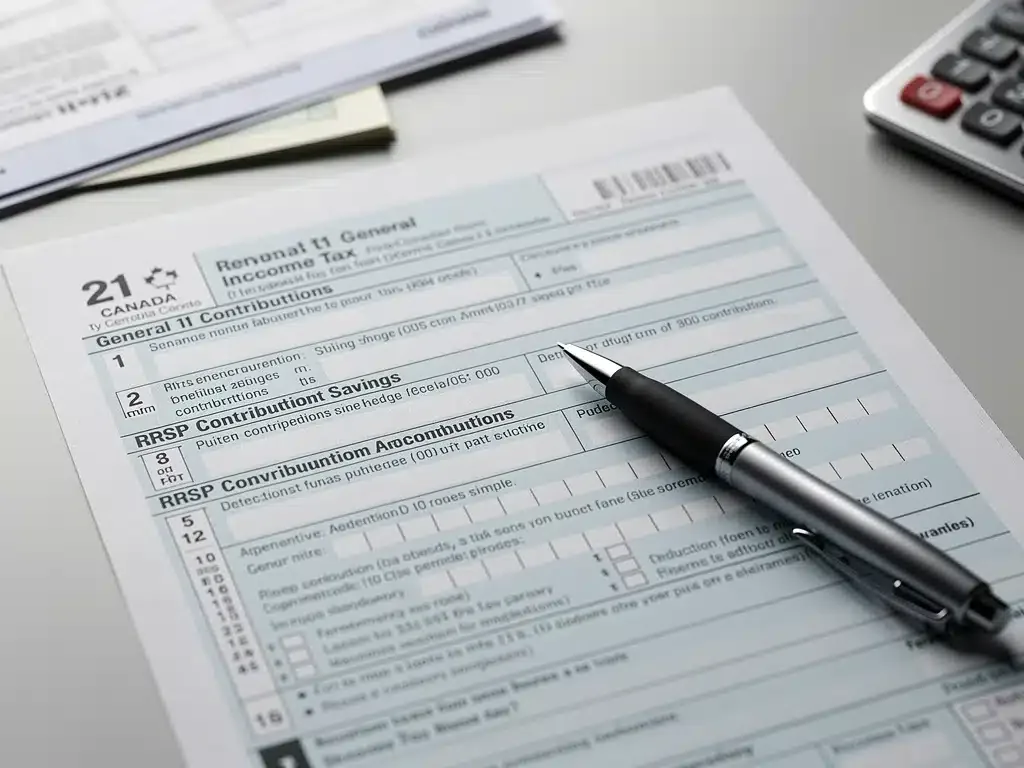
How do I designate RRSP contributions as LLP repayments?▼When you file your income tax return, you must designate the portion of your RRSP contributions that are intended as LLP repayments. This is done on Schedule 7, “RRSP, PRPP and SPP Contributions and Transfers,” of your T1 General Income Tax and Benefit Return.
Can I use the LLP for part-time studies?▼Generally, the LLP is for full-time enrollment in a qualifying educational program. The student must be enrolled in a program lasting at least three months and requiring at least 10 hours of instruction or work per week. Part-time studies are typically not eligible under current rules.
Looking Ahead: Navigating Your Educational Finance in Canada
The ability to leverage your RRSP for educational pursuits through the Lifelong Learning Plan remains a powerful financial tool for Canadians in 2026.
This strategy guide has underscored the importance of diligent planning, understanding eligibility, and strict adherence to repayment schedules to truly maximize the benefits.
As the costs of education continue to evolve, staying informed about potential policy changes and integrating the LLP with other funding sources will be paramount.
For those aiming for higher education or skill development, Maximizing Your RRSP for Educational Pursuits provides a robust framework.
Ultimately, a well-executed LLP strategy not only facilitates educational advancement but also safeguards your long-term financial health, ensuring that retirement savings are protected while empowering academic and career growth.