Urgent Warning: 4 Provinces Report Spike in Financial Scams Targeting Seniors in Early 2026
Advertisements
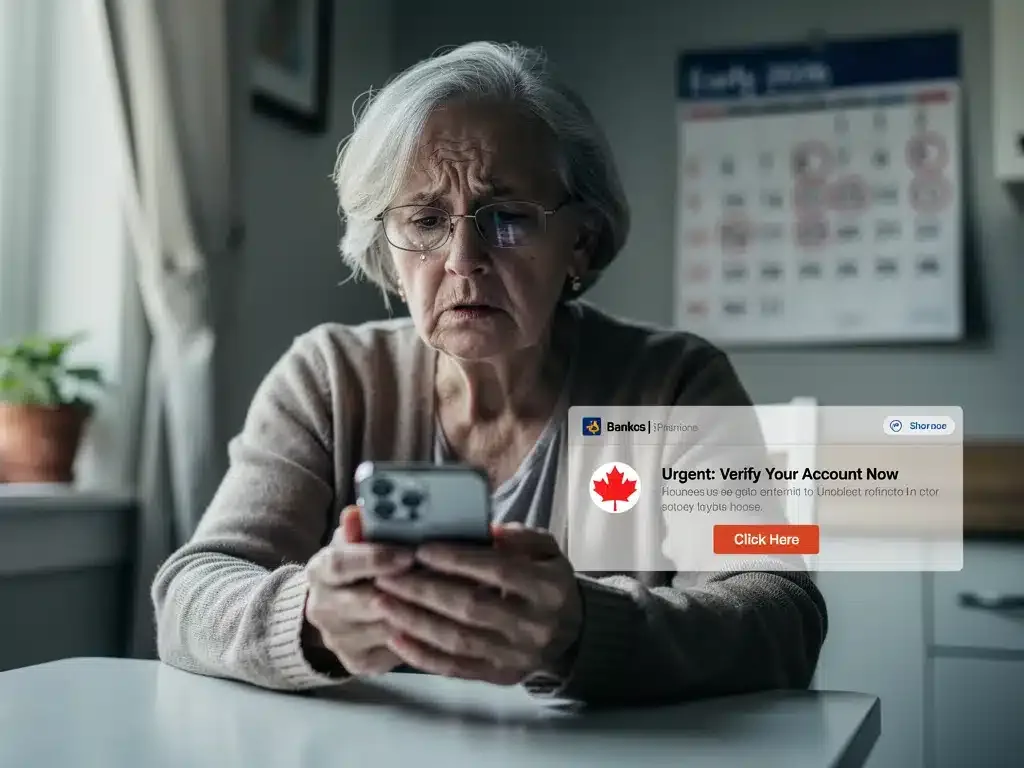
Could your elderly loved ones be the next target for ruthless fraudsters? Protecting our aging family members has become an immediate priority as a wave of sophisticated senior financial scams sweeps across four major provinces.
Law enforcement and consumer protection bodies report a sharp escalation in elder fraud, ranging from deceptive online phishing to heartless grandparent schemes. This sudden spike highlights just how vulnerable our older generation’s life savings are to these evolving predatory tactics.
Vigilance alone is no longer enough to safeguard the financial well-being of retirees. Here is what families and caregivers must look out for to stop these malicious security threats and defend vulnerable individuals.
Understanding the Escalation of Senior Financial Scams
The recent surge in senior financial scams in early 2026 represents a worrying evolution in criminal tactics, exploiting both technological advancements and timeless vulnerabilities.
Fraudsters are becoming increasingly sophisticated, often leveraging personal information gathered online to tailor their approaches.
This escalation is not isolated to one type of fraud; rather, it encompasses a broad spectrum of illegal activities designed to separate seniors from their savings. The sheer volume and complexity of these incidents underscore the need for a comprehensive understanding of the threats at play.
The impact extends beyond financial loss, often leading to severe emotional distress, loss of trust, and social isolation for the victims.
Addressing this senior financial scams requires a multi-faceted approach involving public awareness, law enforcement efforts, and community support.
Key Provinces Affected and Reported Trends
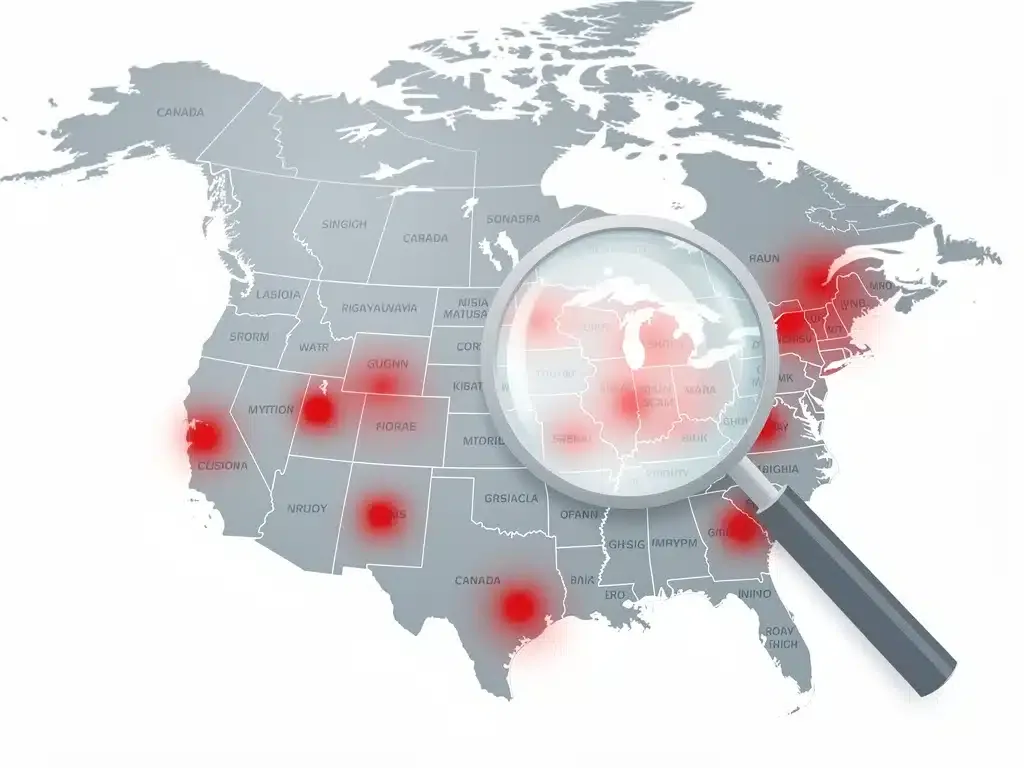
While the specific provinces have not been publicly named to avoid undue panic and enable ongoing investigations, authorities have confirmed that four distinct regions are experiencing this significant spike.
These provinces are grappling with an increased caseload of senior financial scams, stretching resources and highlighting systemic vulnerabilities.
The reported trends indicate a shift towards more personalized attacks, where fraudsters meticulously research their targets.
This often involves social engineering techniques that build false trust or exploit emotional connections, making the scams harder to detect by the victims themselves.
This senior financial scams serves as a call to action for residents in all provinces to remain vigilant. The patterns emerging in these four affected regions could soon spread nationwide, underscoring the importance of widespread awareness and preventive measures.
Common Tactics Employed by Scammers in Early 2026
The landscape of senior financial scams is constantly evolving, with fraudsters adapting their methods to bypass existing safeguards.
In early 2026, several recurring tactics have been prominently reported across the affected provinces, demonstrating a calculated approach to targeting seniors.
These tactics often exploit common human emotions like fear, trust, and a desire to help loved ones, making them particularly effective against vulnerable individuals.
Understanding these prevalent schemes is the first step in protecting oneself and one’s family from becoming a victim of senior financial scams.
The increasing sophistication of these methods demands a proactive and informed response. The senior financial scams emphasizes the need to recognize these common ploys before they can inflict damage.
The Rise of Grandparent Scams and Impersonation Fraud
Grandparent scams continue to be a persistent threat, with a notable resurgence in early 2026. Fraudsters impersonate a grandchild in distress, often claiming to be in legal trouble, needing urgent money for bail, or facing an emergency abroad.
The sense of urgency and emotional manipulation are key to their success.
Beyond grandparent scams, impersonation fraud has expanded to include individuals posing as government officials, bank representatives, or even tech support.
These scammers create a false sense of authority or urgency, pressuring seniors into divulging personal financial information or transferring funds directly.
The effectiveness of these senior financial scams lies in their ability to play on emotional bonds and trust. It is crucial for seniors and their families to verify any unexpected requests for money or personal information, regardless of how legitimate they may seem.
Sophisticated Investment and Romance Scams
Investment scams have become increasingly intricate, often involving fake cryptocurrency platforms, bogus real estate opportunities, or high-yield schemes that promise unrealistic returns.
These scams are designed to drain a senior’s life savings over time, with initial small investments leading to larger, irrecoverable sums.
Romance scams also remain highly effective, preying on loneliness and the desire for companionship.
Fraudsters cultivate elaborate online relationships, building trust and emotional attachments before fabricating crises that require financial assistance. These emotional manipulations can be incredibly devastating.
Both investment and romance senior financial scams highlight the need for skepticism towards unsolicited financial advice or online relationships that quickly turn to requests for money.
The senior financial scams underscores the financial and emotional devastation these frauds can cause.

Preventative Measures and Protective Strategies
In response to the senior financial scams, adopting robust preventative measures is paramount. Education and awareness are the most powerful tools in combating these evolving threats, empowering seniors and their caregivers to recognize and avoid fraudulent schemes.
Implementing protective strategies involves a combination of personal vigilance, technological safeguards, and open communication within families. These measures are not merely reactive; they are proactive steps designed to create a resilient defence against financial exploitation.
No single solution can eliminate all risks, but a layered approach significantly reduces vulnerability. The goal is to make it as difficult as possible for scammers to succeed, protecting the financial well-being and peace of mind of older Canadians from senior financial scams.
Enhancing Digital Security and Online Awareness
With many senior financial scams originating online, enhancing digital security is a critical preventative step.
This includes using strong, unique passwords for all online accounts, enabling two-factor authentication wherever possible, and being highly suspicious of unsolicited emails or text messages containing links or attachments.
Seniors should be educated on how to identify phishing attempts, which often mimic legitimate organizations but contain subtle inconsistencies.
Never share personal information, such as banking details or social insurance numbers, in response to an unexpected request, whether by email, phone, or text.
Regularly updating antivirus software and operating systems also adds a layer of protection against malware that could be used by fraudsters. Staying informed about the latest online senior financial scams is an ongoing process that requires continuous learning and vigilance.
Fostering Family Communication and Community Support
Open and honest communication within families is perhaps the most effective defence against senior financial scams. Seniors should be encouraged to discuss any suspicious calls, emails, or requests for money with a trusted family member or friend before taking any action.
Families can also help by staying informed about common scam tactics and regularly reviewing their elderly relatives’ financial statements for unusual activity.
Establishing a clear plan for verifying unexpected requests for funds can prevent many grandparent and impersonation scams.
Community support groups and local law enforcement agencies often provide valuable resources and educational workshops on fraud prevention.
Engaging with these networks can create a stronger collective defence against the types of senior financial scams highlighted in the senior financial scams.
Reporting Scams and Seeking Assistance
If a senior financial scam is suspected or has already occurred, immediate action is crucial. Reporting the incident promptly can increase the chances of recovering lost funds and helps law enforcement agencies track and apprehend fraudsters, preventing further harm to others.
Many victims feel embarrassed or ashamed, which can delay reporting and complicate investigative efforts. It is vital to emphasize that falling victim to a scam is not a reflection of intelligence, but rather the cunning and manipulative nature of criminals.
The senior financial scams underscores the importance of a clear understanding of where to turn for help. Various organizations and government bodies are dedicated to assisting victims of fraud.
Contacting Law Enforcement and Financial Institutions
The first step after discovering a senior financial scam is to contact your local police department. Provide them with all available details, including names, phone numbers, email addresses, and any transaction records. This information is critical for initiating an investigation.
Simultaneously, alert your bank or financial institution if any money has been transferred or if your account details have been compromised.
They may be able to freeze transactions, reverse payments, or provide advice on securing your accounts against further unauthorized access.
Reporting to the Canadian Anti-Fraud Centre (CAFC) is also essential. The CAFC collects data on fraud and identity theft, which helps them identify trends and issue public warnings, including those related to the senior financial scams.
This national database is a key resource in Canada’s fight against fraud.
Resources for Support and Recovery
Beyond law enforcement, several organizations offer support and resources for victims of senior financial scams.
These include victim services, which provide emotional support and guidance through the recovery process, and legal aid societies that can offer advice on legal recourse.
Consumer protection agencies at the provincial level can also provide valuable information and assistance in navigating the aftermath of a scam. They often have specific programs and advice tailored to protecting seniors from financial exploitation.
For ongoing protection and education, organizations focused on elder abuse prevention and financial literacy offer workshops and materials designed to empower seniors.
These resources are vital in rebuilding confidence and preventing future senior financial scams, reinforcing the message of the senior financial scams.
| Key Point | Brief Description |
|---|---|
| Spike in Scams | Four Canadian provinces report a significant increase in financial scams targeting seniors in early 2026. |
| Common Tactics | Grandparent scams, impersonation fraud, investment schemes, and romance scams are prevalent. |
| Prevention | Digital security, family communication, and community support are crucial for protection. |
| Reporting | Report incidents to local police, financial institutions, and the Canadian Anti-Fraud Centre immediately. |
Frequently Asked Questions About Senior Financial Scams
What exactly is the Urgent Warning about?▼The senior financial scams indicates a significant increase in various financial frauds specifically targeting older adults across four Canadian provinces. This alert emphasizes the need for heightened awareness and protective measures to safeguard seniors’ assets and well-being.
Which provinces are most affected by this spike in scams?▼While specific provinces have not been publicly named by authorities to maintain investigative integrity, the warning confirms that four distinct regions in Canada are experiencing a notable surge in senior financial scams. This situation highlights a pervasive threat across the country.
What are the most common types of senior financial scams observed?▼Common tactics include grandparent scams where fraudsters impersonate relatives in distress, impersonation fraud (e.g., posing as government officials), sophisticated investment scams promising high returns, and romance scams that exploit emotional vulnerabilities. These methods are designed to manipulate seniors into giving up money or personal information.
How can seniors and their families protect themselves from these scams?▼Protection involves enhancing digital security, being skeptical of unsolicited requests for money or personal information, fostering open communication within families, and seeking advice from trusted individuals or financial institutions. Education on scam tactics and awareness of the senior financial scams are key.
What should I do if I suspect a senior financial scam?▼If you suspect a scam, contact your local police department immediately. Also, notify your bank or financial institution if money has been transferred or accounts compromised. Reporting to the Canadian Anti-Fraud Centre (CAFC) is crucial for tracking trends and assisting investigations into senior financial scams.
Looking Ahead: Sustained Vigilance and Collaborative Action
The senior financial scams serves as a stark reminder of the persistent and evolving threat of financial exploitation against older Canadians. This situation demands not just immediate action, but also sustained vigilance and collaborative efforts from all sectors of society.
Looking ahead, it is imperative that public awareness campaigns continue to educate seniors and their families about new scam tactics and prevention strategies.
Government agencies, financial institutions, and community organizations must work in concert to share information, develop robust protective measures, and provide accessible support services for victims of senior financial scams.
The battle against these insidious crimes is ongoing, and success hinges on our collective ability to adapt, educate, and protect our most vulnerable citizens.
By staying informed and proactive, we can collectively mitigate the impact of this alarming trend and ensure a safer financial future for seniors across Canada.