FTC 'Click-to-Cancel' Rule: $50,120 Fines Start Now
Advertisements
The enforcement of the FTC 'Click-to-Cancel' mandate officially marks a major crackdown on deceptive corporate practices. Federal regulators are now targeting misleading sign-ups and hidden subscription loops, penalizing non-compliant companies with steep financial sanctions.
Designed to dismantle consumer traps, the updated federal framework requires cancellation processes to be just as seamless as initial enrollments. Businesses can no longer force customers through complex phone trees, buried links, or multi-step retention flows to stop recurring charges.
With steep civil penalties actively enforced per infraction, organizations must quickly align their digital membership workflows. Here is what you need to know about these new consumer protection rights and how companies are adapting to avoid costly regulatory fines.
FTC Mandates Simplified Subscription Cancellation
The Federal Trade Commission's new 'Click-to-Cancel' rule represents a pivotal moment for consumer protection in the digital age. This regulation is designed to eliminate frustrating and often deceptive practices that make it difficult for consumers to end recurring subscriptions.
Under the new guidelines, companies must ensure that their cancellation processes are clear, conspicuous, and easy to execute. This directly addresses widespread consumer complaints about being trapped in subscriptions they no longer desire or use.
The enforcement of this rule, with its steep penalties, signals a clear message from the FTC: businesses must prioritize transparency and user-friendliness in their subscription management systems. Compliance is not just a recommendation; it is a legal imperative.
Understanding the 'Click-to-Cancel' Rule
The 'Click-to-Cancel' rule is a direct response to a growing number of consumer complaints regarding subscription services. Many companies have employed tactics, often referred to as 'dark patterns,' to intentionally complicate the cancellation process.
These tactics range from requiring phone calls during limited hours to navigating multiple confusing web pages or being subjected to aggressive retention efforts. The FTC's rule seeks to level the playing field, ensuring that consumers can exit subscriptions as easily as they entered them.
The core principle is symmetry: if a subscription can be initiated with a few clicks online, it must also be terminable with similar ease. This applies to various services, including streaming platforms, software subscriptions, and online memberships.
The rule demands clear and conspicuous cancellation options.
Cancellation methods must be as simple as the sign-up process.
Companies cannot impose unnecessary hurdles or delays.
Impact on Businesses and Compliance Deadlines
Businesses, particularly those operating with subscription models, are directly affected by the new 'Click-to-Cancel' rule. They must now review and potentially overhaul their current cancellation procedures to ensure full compliance.
The enforcement starting this month means there is no grace period for non-compliant companies. The FTC is ready to levy significant fines, making immediate action crucial for businesses to avoid costly penalties.
Companies are advised to conduct thorough audits of their existing subscription management and cancellation flows. This includes user interface design, customer service protocols, and any automated retention strategies.

Penalties and Enforcement: What Companies Face
The financial implications of non-compliance with the FTC Enforces New 'Click-to-Cancel' Rule are substantial. Each instance of a consumer being subjected to an unfair or deceptive cancellation practice can be considered a separate violation, leading to cumulative penalties.
The $50,120 fine per violation serves as a powerful deterrent, urging companies to prioritize compliance. The FTC's enforcement history demonstrates its willingness to pursue legal action against entities that disregard consumer protection regulations.
Businesses should not underestimate the agency's resolve. The FTC has a mandate to protect consumers and will utilize all available tools to ensure adherence to this critical new rule. This includes investigations, cease-and-desist orders, and civil penalties.
Understanding the Scope of Fines
The $50,120 per violation fine is a significant figure, reflecting the FTC's serious stance on consumer exploitation through dark patterns. This fine applies to each instance where a company fails to provide a simple cancellation mechanism.
For a business with thousands or even millions of subscribers, a systemic failure to comply could quickly escalate into multi-million dollar penalties. This makes proactive compliance not just a best practice, but a financial necessity.
The FTC's authority to impose such fines stems from its power to prevent unfair or deceptive acts or practices in commerce. Companies must recognize that these aren't merely administrative fees but serious legal consequences.
Fines are $50,120 per individual violation.
Systemic issues can lead to cumulative, substantial penalties.
The FTC can pursue legal action for non-compliance.
Precedent and Future Enforcement Actions
The FTC has a long history of taking action against companies that engage in deceptive practices. This new rule builds upon existing consumer protection frameworks and signals a renewed focus on subscription services.
Past enforcement actions, such as those against companies for misleading free trials or hidden charges, illustrate the FTC's proactive approach. The 'Click-to-Cancel' rule is another tool in its arsenal to safeguard consumers.
Businesses should expect the FTC to actively monitor compliance and investigate complaints. Consumer reports will likely play a crucial role in identifying companies that are failing to meet the new standards.
Consumer Rights and Protection Under the New Rule
The FTC Enforces New 'Click-to-Cancel' Rule significantly bolsters consumer rights regarding subscription services. Consumers now have a clear legal backing to demand easy and transparent cancellation processes.
This rule empowers individuals to take control of their recurring expenses without encountering artificial barriers. It shifts the burden from consumers trying to decipher complex cancellation flows to businesses providing straightforward solutions.
For consumers, this means greater financial autonomy and reduced stress associated with managing multiple subscriptions. The era of being 'trapped' in unwanted services due to opaque cancellation policies is intended to come to an end.
Empowering Consumers to Manage Subscriptions
The primary beneficiaries of the 'Click-to-Cancel' rule are consumers. It provides them with a tangible mechanism to manage their subscriptions efficiently and prevent unwanted charges.
No longer should individuals have to spend excessive time or effort to simply stop a recurring payment. The rule aims to restore a sense of fairness and transparency to the consumer-business relationship in the subscription economy.
This empowerment extends to budgeting and financial planning, as consumers can more easily adjust their recurring expenditures. It removes a significant point of friction and frustration for millions of subscribers.
Reporting Non-Compliance and Seeking Redress
Consumers who encounter companies that fail to comply with the 'Click-to-Cancel' rule have avenues for recourse. The FTC encourages individuals to report non-compliant businesses directly to the agency.
These reports are vital for the FTC to identify patterns of non-compliance and initiate investigations. By actively reporting issues, consumers contribute to the broader enforcement efforts and help protect others.
In addition to reporting, consumers may also have grounds to dispute charges with their bank or credit card company if they were unable to cancel a subscription due to deceptive practices. Documentation of attempts to cancel will be crucial.
Industry Response and Adaptations
The announcement that the FTC Enforces New 'Click-to-Cancel' Rule has prompted varied responses across industries. While some businesses have already adopted consumer-friendly cancellation methods, many are now scrambling to adjust their practices.
For tech companies and service providers heavily reliant on subscription models, this rule necessitates a re-evaluation of their user experience and customer retention strategies. The focus must shift from making cancellation difficult to providing value that encourages continued subscription.
Industry associations and legal experts are advising businesses on best practices for compliance. This includes not only technical changes to website interfaces but also training customer service representatives to handle cancellations efficiently and without undue pressure.
Challenges for Subscription-Based Businesses
The transition to compliant cancellation processes presents several challenges for subscription-based businesses. Redesigning user interfaces, updating backend systems, and retraining staff all require significant resources and time.
Companies must also contend with the potential impact on their churn rates. While the rule aims for fairness, some businesses fear that easier cancellations might lead to a higher turnover of subscribers, impacting revenue.
However, many industry analysts suggest that focusing on customer satisfaction and value delivery, rather than creating artificial barriers, is a more sustainable long-term strategy for retaining subscribers. Transparency can build trust and loyalty.
Redesigning user interfaces for simplified cancellation.
Updating backend systems to process cancellations smoothly.
Retraining customer service teams to avoid retention pressure.
Opportunities for Enhanced Customer Trust
While compliance might seem like a burden, the 'Click-to-Cancel' rule also presents an opportunity for businesses to enhance customer trust and loyalty. Companies that embrace transparent and easy cancellation processes can differentiate themselves in the market.
Consumers are increasingly valuing transparency and ethical business practices. A company known for its straightforward approach to subscriptions and cancellations is likely to attract and retain more customers in the long run.
By proactively meeting the FTC's requirements, businesses can demonstrate their commitment to customer satisfaction, potentially turning a regulatory challenge into a competitive advantage. This builds a reputation for fairness and respect.
Best Practices for Businesses to Ensure Compliance
To avoid the steep penalties as the FTC Enforces New 'Click-to-Cancel' Rule, businesses must adopt a proactive and comprehensive approach to compliance. Simply making minor tweaks may not suffice; a fundamental re-evaluation of subscription management is often required.
Implementing best practices involves more than just technical changes; it requires a shift in organizational culture towards prioritizing consumer convenience. Legal and marketing teams should collaborate closely to ensure all aspects of the subscription lifecycle meet the new regulatory standards.
Regular internal audits and user testing of cancellation flows can help identify potential compliance gaps before they lead to FTC scrutiny. Continuous monitoring of customer feedback is also crucial for staying ahead of potential issues.
Streamlining the Cancellation Process
The most critical step for businesses is to streamline their cancellation process to be as simple as the sign-up. This means eliminating unnecessary steps, confusing language, and any attempts to dissuade cancellation through aggressive tactics.
Ideally, a customer should be able to cancel a subscription online, through their account portal, with a minimal number of clicks. The option should be clearly visible and accessible, not hidden behind multiple layers of menus.
If a phone call is offered as a cancellation method, it should be a quick and efficient process, not one designed to wear down the customer. The goal is to respect the customer's decision to terminate the service.
Training Staff and Updating Policies
Compliance extends beyond digital interfaces to human interaction. Customer service representatives must be thoroughly trained on the new 'Click-to-Cancel' rule and company policies for handling cancellations.
Staff should be instructed to process cancellation requests promptly and without attempting to upsell or retain customers against their will. Any scripts or protocols that prioritize retention over an easy cancellation must be revised.
Furthermore, company policies regarding subscription terms, billing cycles, and cancellation eligibility should be clearly communicated to customers and regularly updated to reflect regulatory changes and best practices.
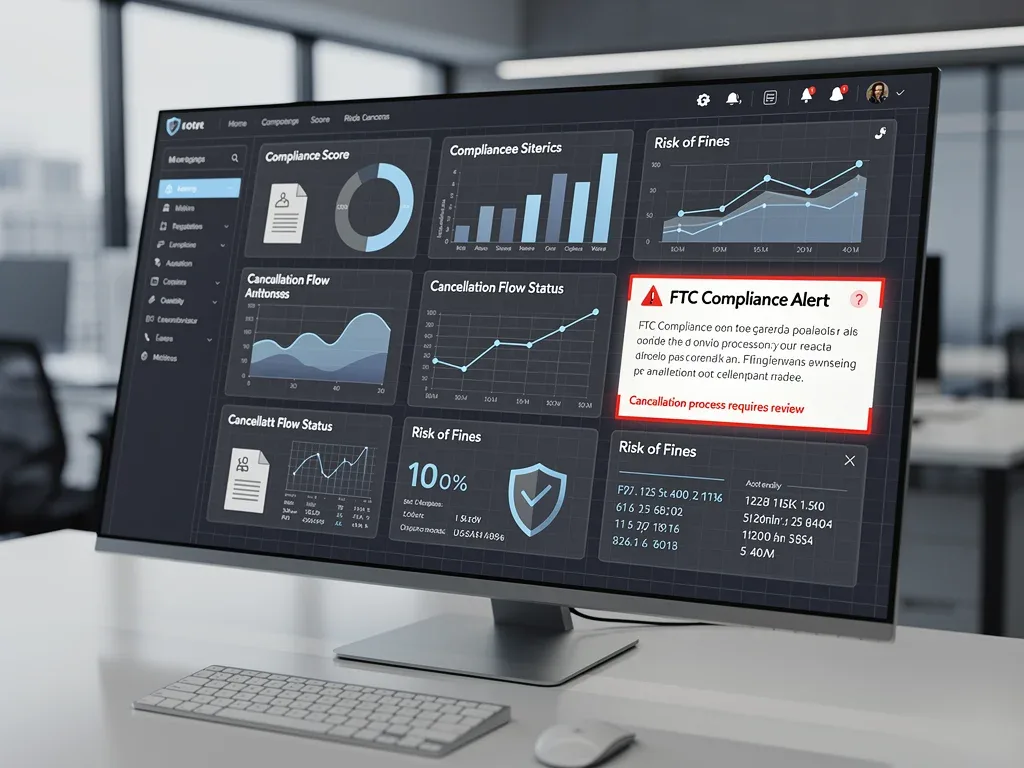
The Broader Context of Consumer Protection
The FTC Enforces New 'Click-to-Cancel' Rule is not an isolated regulatory action but part of a broader trend towards enhanced consumer protection. Governments and regulatory bodies worldwide are increasingly scrutinizing digital business practices for fairness and transparency.
This rule aligns with a global movement to combat 'dark patterns' and deceptive designs that manipulate user behavior. It reflects a growing recognition that digital interfaces can be used to exploit consumers if not properly regulated.
The FTC's action sets a precedent for future regulatory interventions in the digital economy. Businesses should view this rule as a signal to proactively review all their consumer-facing processes for ethical design and transparency.
Combating Dark Patterns in the Digital Economy
Dark patterns are intentionally designed user interfaces that trick users into doing things they might not otherwise do, such as signing up for recurring subscriptions or making unintended purchases. The 'Click-to-Cancel' rule specifically targets these deceptive practices.
The FTC's focus on dark patterns indicates a growing understanding of how psychological manipulation can occur through digital design. This extends beyond cancellation to other areas like privacy settings, consent forms, and pricing disclosures.
Companies that prioritize user experience and ethical design will find themselves better positioned in this evolving regulatory landscape. Transparency and user control are becoming non-negotiable aspects of digital commerce.
The enforcement of this rule serves as a warning to all businesses that rely on digital interfaces to interact with consumers. The expectation is that digital interactions should be as transparent and fair as traditional commerce.
Future Regulatory Landscape and Business Ethics
The 'Click-to-Cancel' rule is likely a precursor to further regulatory actions aimed at ensuring digital fairness. Businesses should anticipate increased scrutiny on areas such as data privacy, personalized pricing, and algorithmic transparency.
Adopting a strong ethical framework for digital operations is no longer just a moral imperative but a strategic business necessity. Companies that integrate ethical considerations into their core design and operational processes will be better prepared for future regulations.
The long-term success of businesses in the digital economy will increasingly depend on their ability to build and maintain consumer trust. This requires a commitment to transparency, fairness, and respecting consumer autonomy in all interactions.
Key Point | Brief Description |
|---|---|
Rule Enforcement | FTC 'Click-to-Cancel' rule is now active nationwide. |
Penalties | Companies face fines of up to $50,120 per violation. |
Business Impact | Requires simplified cancellation processes and staff training. |
Consumer Empowerment | Enhances consumer ability to easily manage and cancel subscriptions. |
Frequently Asked Questions About the FTC 'Click-to-Cancel' Rule
What is the core purpose of the FTC 'Click-to-Cancel' rule?▼
The rule's core purpose is to prevent companies from using deceptive practices, known as 'dark patterns,' to make it difficult for consumers to cancel recurring subscriptions. It aims to ensure cancellation is as straightforward as signing up.
How much are the fines for violating the 'Click-to-Cancel' rule?▼
Companies found in violation of the 'Click-to-Cancel' rule face significant fines. Each individual violation can incur a penalty of up to $50,120, making compliance a critical financial consideration for businesses.
When did the enforcement of this new rule begin?▼
The enforcement of the new 'Click-to-Cancel' rule by the FTC officially commenced this month. This means companies are now subject to penalties for non-compliance, without any further grace period for adaptation.
What should consumers do if a company makes cancellation difficult?▼
Consumers who encounter difficulties cancelling subscriptions should report the non-compliant company directly to the Federal Trade Commission. Documenting attempts to cancel can also aid in potential charge disputes with banks.
How does this rule impact subscription-based businesses?▼
Subscription-based businesses must now review and simplify their cancellation processes, ensure clear communication, and train staff to handle cancellations without undue pressure. This rule fosters greater transparency and consumer trust.
Impact and Implications
The enforcement of the FTC 'Click-to-Cancel' rule marks a pivotal moment for both consumers and businesses in the subscription economy. It underscores a growing regulatory focus on ethical digital practices and consumer autonomy.
Companies must now prioritize transparency and ease of use in their cancellation processes, shifting from retention tactics based on friction to strategies focused on value and customer satisfaction. The financial risks of non-compliance are too high to ignore.
For consumers, this rule promises greater control over their spending and a reduction in the frustration associated with managing subscriptions. The landscape of digital commerce is evolving towards a more equitable and transparent future.