FCC Deadline: Telecoms Must Block AI Scam Calls in 30 Days
Advertisements
Federal regulators are officially turning up the heat on automated phone fraud, forcing voice service providers to revamp their network defenses. The upcoming FCC Deadline requires telecom carriers to actively intercept and filter out malicious AI voice-cloning operations targeting consumers across the nation.
This regulatory directive targets sophisticated deepfake exploits that allow cybercriminals to mimic trusted contacts, financial institutions, and government authorities in real time. By holding carriers legally accountable for carrier-level network filtering, the government aims to cripple illicit robocall infrastructure at the source.
For everyday mobile users, this aggressive crackdown signals a major shift toward automated caller verification and reduced spam traffic. As the strict compliance window closes, phone companies must deploy advanced signal tracing to keep dangerous synthetic calls off the airwaves for good.
FCC Mandates Swift Action Against AI Scam Calls
The FCC's recent order represents a significant escalation in its ongoing battle against illegal robocalls, specifically targeting those enhanced or generated by artificial intelligence.
This directive is a direct response to the growing sophistication of scam operations that leverage AI to mimic human voices and create compelling, deceptive narratives, making them harder for individuals to identify.
This unprecedented move establishes a clear and immediate timeline for telecom providers, emphasizing the urgency of the threat posed by AI-driven fraud. The commission has made it unequivocally clear that inaction is not an option, placing the onus on providers to innovate and deploy effective countermeasures rapidly.
The decision was made after extensive deliberation and public comment, reflecting a broad consensus on the need for robust regulatory intervention to protect consumers. The FCC's objective is to restore trust in the nation's telecommunications networks by ensuring that malicious AI-generated calls are intercepted before they can reach potential victims.
The Escalating Threat of AI-Generated Scams
Artificial intelligence has revolutionized numerous industries, but its misuse by malicious actors presents a formidable challenge, particularly in the realm of telecommunications fraud.
AI-generated scam calls are becoming increasingly sophisticated, employing voice cloning, natural language processing, and deepfake audio to create highly convincing imitations of trusted individuals or institutions.
These advanced techniques allow scammers to bypass traditional call-blocking methods and exploit human vulnerabilities with greater precision.
The ability to generate realistic voices, sometimes even mimicking relatives or authority figures, significantly increases the likelihood of victims falling prey to these elaborate schemes, leading to substantial financial losses and emotional distress.
The rapid evolution of AI technology means that the threat landscape is constantly shifting, requiring agile and adaptive regulatory responses. The FCC Implementation Deadline is a direct acknowledgment of this evolving challenge and the critical need for proactive measures to stay ahead of fraudsters.
How AI Enhances Scam Effectiveness
Voice Cloning: AI can replicate voices from short audio samples, making scam calls sound like known individuals.
Dynamic Scripting: AI-powered systems can adapt call scripts in real-time based on victim responses, increasing persuasiveness.
Emotional Manipulation: AI can be programmed to detect and exploit emotional cues, tailoring the scam to maximize impact.
The sheer volume and personalized nature of AI-generated scam calls overwhelm traditional defenses, necessitating a systemic approach. The FCC's deadline aims to force telecom providers to integrate advanced AI detection into their network infrastructure, creating a more resilient defense against these sophisticated attacks.
Understanding the 30-Day Implementation Deadline
The FCC's directive mandates that all telecommunications providers implement robust measures to detect and block AI-generated scam calls within a stringent 30-day timeframe from the effective date of the order. This tight deadline reflects the commission's determination to act swiftly against a rapidly expanding threat.
Providers are expected to leverage cutting-edge technologies, including their own AI-powered analytics, to identify and neutralize these fraudulent calls. The scope of this mandate extends to all forms of voice traffic, ensuring comprehensive coverage across various communication channels.
Failure to comply with the FCC Implementation Deadline could result in significant penalties and regulatory action. The FCC has made it clear that it will closely monitor compliance and enforce the new rules vigorously to protect consumers.
Key Requirements for Telecom Providers
Advanced Detection Systems: Implement AI-powered tools capable of identifying synthetic voices and deepfake audio.
Proactive Blocking: Automatically block calls identified as AI-generated scams before they reach consumers.
Reporting Mechanisms: Establish clear procedures for reporting detected AI-generated scam calls to regulatory bodies.
The technical challenges associated with this deadline are substantial, requiring significant investment in infrastructure and expertise. However, the FCC views these efforts as essential to maintaining the integrity of the nation's communication systems and safeguarding the public.
Impact on Telecom Providers and Technology Adoption
The FCC Implementation Deadline places considerable pressure on telecommunications companies, necessitating rapid deployment of sophisticated technology. Many providers have already invested in robocall blocking solutions, but the specific threat of AI-generated scams requires enhanced capabilities.
Providers will need to accelerate their adoption of advanced AI and machine learning algorithms designed to analyze voice characteristics, speech patterns, and contextual cues to differentiate legitimate calls from AI-synthesized fraud.
This often involves collaborating with specialized cybersecurity firms and integrating new software solutions into existing network architectures.
The financial and operational implications are significant, potentially requiring substantial capital expenditure and retraining of technical staff. However, the long-term benefits of enhanced consumer trust and reduced fraud liability are expected to outweigh these initial costs. This directive will likely spur innovation within the telecom sector, driving the development of more robust anti-scam technologies.
Consumer Protection and the Future of Call Security
For consumers, the FCC Implementation Deadline offers a much-needed layer of protection against increasingly sophisticated fraud. The proliferation of AI-generated scams has eroded public trust in unsolicited calls, creating a climate of suspicion and anxiety.
With telecom providers mandated to proactively block these calls, consumers can expect a reduction in the volume of fraudulent attempts, enhancing their overall call security.
This measure aims to restore confidence in the phone system, allowing individuals to answer calls without the constant fear of encountering a deepfake voice or a highly deceptive AI script.
While no system is foolproof, the FCC's aggressive stance signifies a strong commitment to consumer welfare. This action, combined with ongoing public awareness campaigns, will empower individuals to better identify and report suspicious calls, creating a multi-layered defense against evolving scam tactics.
What Consumers Should Still Do
Be Skeptical: Always question unsolicited calls, especially those asking for personal information or immediate action.
Verify Identity: If a call seems suspicious, hang up and call back using an official, independently verified number.
Report Scams: Report all suspected scam calls to the FCC and other relevant authorities to help track and combat fraud.
The FCC's initiative is a crucial step towards a safer digital communication environment. It underscores the principle that technological advancements must be accompanied by robust safeguards to protect the public from their potential misuse.
Regulatory Framework and Enforcement Mechanisms
The FCC's authority to impose the FCC Implementation Deadline stems from its mandate to protect consumers and ensure the integrity of the nation's communications networks. The commission utilizes various regulatory tools, including the TRACED Act, to combat robocalls and illegal spoofing.
Enforcement mechanisms include fines, cease-and-desist orders, and other punitive actions against non-compliant providers. The FCC has a track record of imposing substantial penalties on companies that fail to adhere to its directives, signaling its serious intent to enforce this new mandate rigorously.
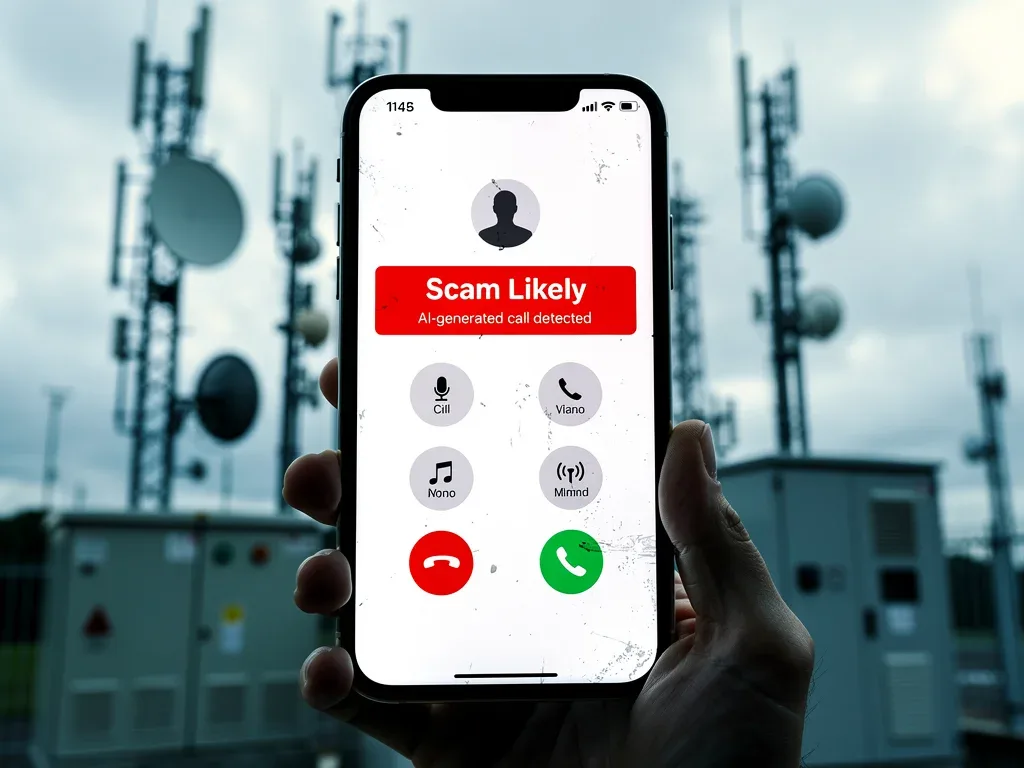
The commission will also collaborate with federal and state law enforcement agencies to investigate and prosecute individuals and organizations responsible for originating AI-generated scam calls. This multi-pronged approach aims to disrupt the entire ecosystem of fraudulent activity.
The FCC's ruling establishes a clear legal precedent for holding telecom providers accountable for the types of traffic traversing their networks. This proactive regulatory stance is essential in an era where technology evolves at an unprecedented pace, often outpacing existing legal frameworks.
Challenges and Potential Roadblocks for Compliance
Meeting the FCC Implementation Deadline presents several significant challenges for telecommunications providers. One primary hurdle is the rapid evolution of AI technology itself, making it a constant race to develop and deploy countermeasures that can keep pace with new scamming techniques.
The sheer volume of calls handled by large carriers also poses an immense technical challenge, requiring systems capable of real-time analysis without introducing undue latency or blocking legitimate calls. False positives, where legitimate calls are erroneously blocked, are a major concern and could lead to consumer dissatisfaction and operational issues.
Furthermore, smaller providers may face resource constraints in acquiring and integrating the necessary advanced AI detection software and expertise within the tight deadline. Ensuring interoperability between diverse blocking solutions across different carriers and network types also adds a layer of complexity.
Technical and Operational Hurdles
Evolving AI Tactics: Scammers constantly update their AI, requiring continuous adaptation of blocking technologies.
False Positives: Avoiding the erroneous blocking of legitimate calls is crucial for customer satisfaction.
Resource Allocation: Smaller providers may struggle with the financial and technical resources needed for compliance.
Despite these challenges, the FCC's firm stance indicates that providers are expected to overcome these obstacles. The commission emphasizes that the urgency of protecting consumers from AI-driven fraud outweighs the operational complexities involved.
Collaboration and Industry Best Practices
Effective implementation of the FCC Implementation Deadline will require significant collaboration across the telecommunications industry. Sharing threat intelligence, best practices, and technical specifications will be crucial for developing a unified and robust defense against AI-generated scam calls.
Industry associations and working groups are expected to play a vital role in facilitating this collaboration, providing platforms for providers to exchange information and coordinate their efforts.
This collective approach will help ensure that blocking mechanisms are effective across the entire network, preventing scammers from simply shifting their operations to less secure channels.

The development of industry-wide standards for AI detection and blocking will also be essential. Such standards would ensure consistency in protection levels and streamline the integration of new technologies, ultimately benefiting all consumers. The FCC encourages such collaborative efforts as a means to enhance overall network security.
The Long-Term Outlook on AI and Robocall Mitigation
The FCC Implementation Deadline is not an endpoint but rather a significant milestone in the ongoing fight against robocalls and advanced telecommunications fraud. The long-term outlook suggests a continuous evolution of both scamming techniques and mitigation strategies.
As AI technology becomes more accessible and sophisticated, scammers will undoubtedly seek new ways to exploit it. This necessitates a dynamic and adaptive regulatory environment that can respond quickly to emerging threats. The FCC's current directive sets a precedent for swift action in the face of technological challenges.
Future efforts will likely involve even deeper integration of AI into network security, predictive analytics to anticipate scam trends, and international cooperation to combat cross-border fraud. The goal remains to create an environment where consumers can use their phones with confidence, free from the pervasive threat of deceptive and harmful calls.
Key Point | Brief Description |
|---|---|
Deadline Imposed | Telecom providers must block AI-generated scam calls within 30 days. |
Threat Addressed | Combating sophisticated voice cloning and deepfake audio scams. |
Provider Action | Implement advanced AI detection and proactive blocking mechanisms. |
Consumer Impact | Increased protection against fraudulent calls and enhanced trust in communications. |
Frequently Asked Questions About FCC's AI Scam Call Deadline
What is the FCC's new directive regarding AI-generated scam calls?▼
The FCC has issued an order requiring telecommunications providers to implement measures to block AI-generated scam calls within 30 days. This mandate targets the growing threat of sophisticated voice cloning and deepfake audio used in fraudulent schemes, aiming to enhance consumer protection significantly.
Why is the FCC imposing a 30-day implementation deadline?▼
The rapid proliferation and increasing sophistication of AI-generated scam calls necessitate immediate action. The 30-day deadline reflects the FCC's urgency to combat this evolving threat, minimizing the potential for consumer harm and financial loss by compelling swift technological deployment by providers.
What technologies will telecom providers use to block these calls?▼
Telecom providers are expected to deploy advanced AI and machine learning algorithms capable of detecting synthetic voices, abnormal speech patterns, and other indicators of AI generation. These technologies will be integrated into their networks to identify and proactively block fraudulent calls before they reach consumers.
How will this deadline impact consumers in the United States?▼
Consumers can expect a significant reduction in the number of AI-generated scam calls they receive, leading to greater peace of mind and enhanced call security. The measure aims to restore trust in phone communications and protect individuals from increasingly convincing and harmful fraudulent attempts.
What happens if a telecom provider fails to meet the deadline?▼
Failure to comply with the FCC Implementation Deadline could result in various enforcement actions. These may include substantial fines, cease-and-desist orders, and other regulatory penalties, as the FCC is committed to rigorously enforcing this critical consumer protection mandate.
What Happens Now
The FCC Implementation Deadline marks a pivotal moment in the ongoing fight against telecommunications fraud. As providers scramble to meet the stringent requirements, the coming weeks will reveal the initial effectiveness of these new blocking measures.
Consumers should remain vigilant, reporting any suspicious calls, while the FCC continues to monitor compliance and adapt its strategies to counter the ever-evolving landscape of AI-powered scams. This is a dynamic situation that demands continuous attention from all stakeholders.