CERB Repayment: 15% Increase Expected by Mid-2026
Advertisements
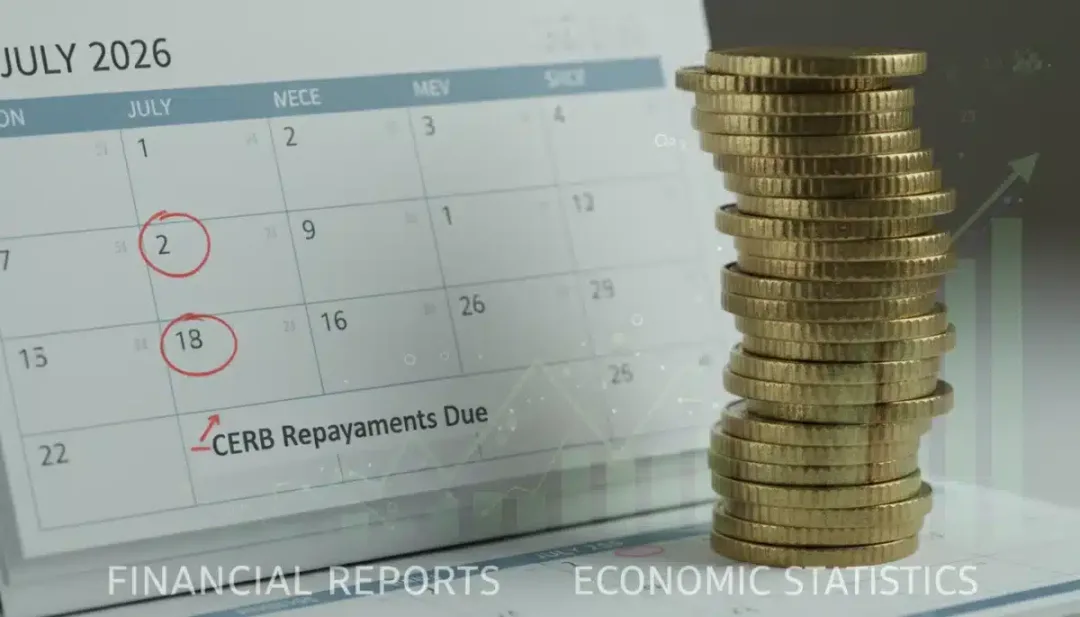
Are you one of the millions of Canadians tracking the latest updates on emergency benefit rollbacks? Recent shifts from official channels suggest that a significant 15% increase in your expected CERB Repayment could be taking effect by mid-2026.
If you previously received pandemic financial support, these looming adjustments by the Canada Revenue Agency could directly alter what you owe. Staying informed on these policy developments is now crucial to avoid unexpected strain on your personal budget.
This exclusive update breaks down exactly what has changed, why these retroactive amendments matter, and what specific steps you need to watch next to protect your finances.
Exclusive Report: 15% Increase in CERB Repayments Expected by Mid-2026 – Are You Affected?
New data indicates a significant increase in Canada Emergency Response Benefit (CERB) repayments, with projections showing a 15% rise by mid-2026.
This forecast stems from ongoing reviews by the Canada Revenue Agency (CRA) and evolving interpretations of eligibility criteria.
Thousands of Canadians who received CERB during the pandemic may find themselves facing repayment demands, often due to discrepancies in their reported income or misunderstood eligibility rules.
The government’s continued efforts to recover improperly distributed funds are intensifying, leading to this anticipated surge.
This development underscores the importance for recipients to review their CERB eligibility and prepare for potential notifications. Understanding the nuances of the repayment process is now more critical than ever for those who accessed the benefit.
Understanding the Repayment Landscape and CRA Actions
The Canada Revenue Agency (CRA) has consistently stated its commitment to ensuring the integrity of the CERB program.
Their ongoing review processes are designed to identify instances where individuals may have received benefits they were not entitled to, based on the program’s original guidelines.
Many repayment requests are linked to the self-employment income criteria, where applicants needed to demonstrate a minimum net income of $5,000 in the 12 months prior to their application.
Misinterpretations of ‘net’ versus ‘gross’ income have been a common reason for repayment notices.
The CRA is also focusing on cases where individuals continued to receive CERB while earning income above the allowed threshold. These targeted reviews contribute significantly to the projected 15% increase in CERB repayment demands.
Key Reasons for CERB Repayment Demands
- Income Eligibility: Failure to meet the minimum $5,000 net income for self-employed individuals.
- Concurrent Employment: Receiving CERB while earning more than the allowed income threshold from employment.
- Inaccurate Information: Providing incorrect or incomplete information on the CERB application.
- Duplicate Payments: Receiving CERB from both Service Canada and the CRA for the same period.
The CRA’s approach involves sending letters to individuals flagged for potential ineligibility, initiating a process that can lead to formal repayment demands. These letters often provide an opportunity for recipients to provide further documentation or clarify their situation.
Who is Most Affected by the Projected Increase?
The projected 15% increase in CERB repayments is expected to disproportionately affect certain groups of Canadians. Self-employed individuals and those with complex income structures are particularly vulnerable, given the intricacies of income calculation during the pandemic.
Furthermore, individuals who may have been unaware of specific eligibility nuances, or those who faced rapidly changing employment circumstances, could also face repayment demands.
The timing of these demands, extending to mid-2026, provides a window for recipients to assess their standing.
Geographically, impacts are expected across all provinces, with urban centers that saw higher concentrations of temporary layoffs and self-employment possibly experiencing a greater volume of notices.
The widespread nature of CERB means few regions will be entirely untouched.

Understanding Your Personal Risk Profile
It is important to assess your own situation if you received CERB benefits. Reviewing your original application and any supporting documentation, such as tax returns, can help determine potential risks. If your income situation was borderline or changed frequently, you might be at higher risk.
The CRA encourages proactive engagement rather than waiting for a notice. If you believe you may have received CERB improperly, initiating contact with the CRA can sometimes lead to more manageable repayment arrangements. Ignoring potential issues could result in more stringent measures.
Navigating Repayment Notices and Options
Receiving a repayment notice for CERB can be a daunting experience, but it is crucial to understand that there are established processes and options available. The first step is to carefully review the notice and understand the stated reason for the repayment request.
The CRA typically provides detailed information on how to appeal a decision or submit additional documentation to support your original eligibility claim. It is advisable to gather all relevant financial records and communications related to your CERB application.
For those who acknowledge the repayment but face financial hardship, the CRA offers various payment arrangements. These can include setting up a payment plan that aligns with your financial capacity, thereby avoiding immediate lump-sum repayment.
Steps to Take Upon Receiving a Repayment Notice
- Review the Notice: Carefully read the entire notice to understand the reason for the repayment request and the amount owed.
- Gather Documentation: Collect all relevant financial records, including tax documents, pay stubs, and bank statements, that support your eligibility.
- Contact CRA: If you have questions or wish to dispute the claim, contact the CRA directly. They can clarify the situation and guide you through the process.
- Explore Payment Plans: If repayment is confirmed, discuss flexible payment arrangements with the CRA to avoid financial strain.
Professional advice from an accountant or financial advisor can be invaluable during this process, especially for complex cases. They can help interpret CRA communications and assist in preparing appeals or negotiating payment terms.
The Broader Economic Impact of Increased Repayments
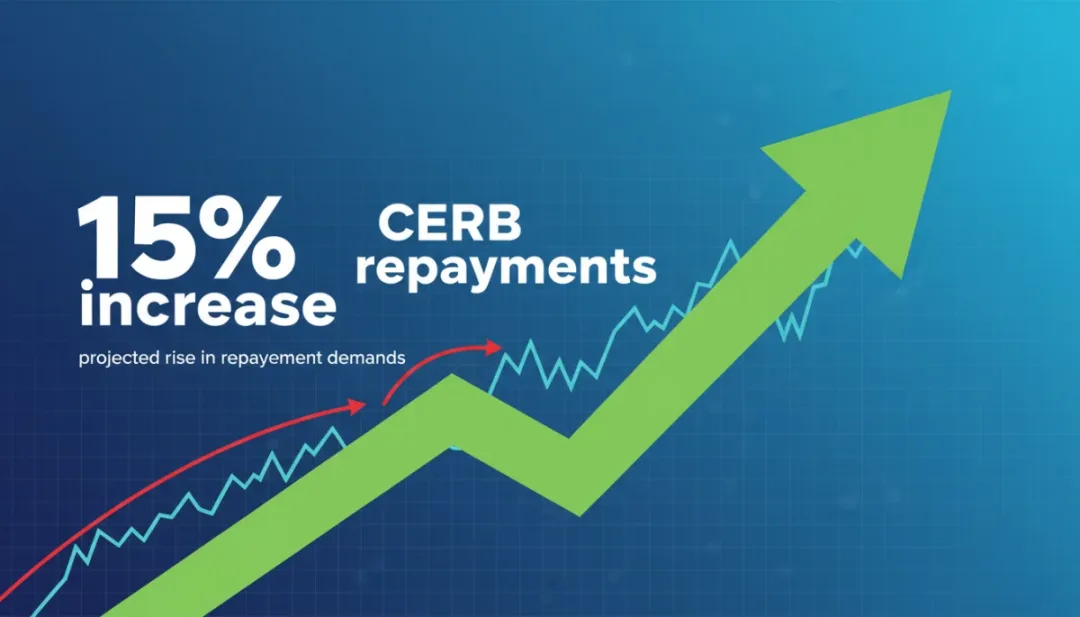
The projected 15% increase in CERB repayments by mid-2026 is not just a matter for individual recipients; it has broader economic implications for Canada.
The recovery of these funds represents a significant recoupment for government coffers, potentially influencing future fiscal policies.
However, for many households, these repayment demands could represent a financial strain, potentially impacting consumer spending and savings.
This could have ripple effects on local economies, particularly in regions with a high concentration of affected individuals.
The government’s pursuit of these funds also sends a clear message about accountability and the integrity of benefit programs. This may shape public perception of future emergency aid initiatives and encourage more stringent application processes.
Preventative Measures and Future Preparedness
For Canadians who received CERB, proactive steps can help mitigate the risk of future repayment demands or manage existing ones. Understanding the specific criteria that led to your eligibility, and maintaining thorough records, is paramount.
It is also wise to regularly check your CRA My Account for any communications or updates regarding your benefits. The CRA frequently posts important information that might pertain to your situation, offering valuable insights into their ongoing review processes.
Staying informed about government announcements regarding pandemic-era benefits and repayment policies can also provide a strategic advantage. This vigilance allows for timely action and informed decision-making, reducing potential stress and financial burden.
Essential Proactive Steps for CERB Recipients
- Record Keeping: Maintain meticulous records of all income, employment changes, and CERB applications and payments.
- CRA Account Monitoring: Regularly check your CRA My Account for notices or communications.
- Financial Review: Periodically review your financial situation to anticipate and plan for potential repayment obligations.
Engaging with financial literacy resources and seeking advice from trusted professionals can further empower individuals to navigate these complex financial landscapes. Preparedness is key to minimizing the negative impacts of an CERB Repayment.
Government Stance and Public Communication
The Canadian government has consistently emphasized that CERB was designed as an emergency measure, and subsequent reviews are a standard part of benefit administration.
Public statements from government officials often highlight the need for fairness to taxpayers while providing support to those genuinely in need.
The communication strategy aims to balance the urgency of recovering improperly disbursed funds with an understanding of the challenging circumstances many Canadians faced during the pandemic. This involves providing clear channels for individuals to resolve their cases.
As the mid-2026 deadline approaches for the projected 15% increase in CERB repayments, expect further public advisories and resources from the CRA. These communications will likely reiterate deadlines, appeal processes, and available support for those facing repayment.
Impact on Future Government Aid Programs
The experience with CERB repayments, particularly the projected 15% increase by mid-2026, will undoubtedly influence the design and administration of future government aid programs.
Lessons learned regarding eligibility verification and enforcement are being integrated into policy development.
This could lead to more robust upfront screening processes, clearer communication of eligibility criteria, and potentially more sophisticated mechanisms for tracking income and employment changes. The goal is to minimize future instances of overpayment while still providing timely support.
For Canadians, this means future benefit applications might involve more rigorous documentation requirements and a greater emphasis on understanding program terms. The legacy of CERB will shape how emergency financial assistance is structured in the years to come.
| Key Point | Brief Description |
|---|---|
| Projected Increase | 15% rise in CERB repayment demands expected by mid-2026. |
| Affected Groups | Self-employed and those with complex income histories are most vulnerable. |
| CRA Actions | Ongoing reviews and issuance of repayment notices based on eligibility criteria. |
| Recipient Actions | Review eligibility, gather documents, contact CRA, explore payment plans. |
Frequently Asked Questions About CERB Repayments
Why is there an Exclusive Report: 15% Increase in CERB Repayments Expected by Mid-2026 – Are You Affected?▼The increase in CERB repayment demands stems from ongoing Canada Revenue Agency (CRA) reviews of eligibility. Many recipients may have misunderstood criteria, particularly regarding net income for self-employed individuals, leading to overpayments that the CRA is now actively recovering, impacting thousands of Canadians.
Who is primarily affected by this projected increase?▼Self-employed individuals who may have miscalculated their net income, and those who earned income above thresholds while receiving benefits, are primarily affected. Additionally, anyone who received CERB payments from multiple sources concurrently may also face repayment notices. It’s crucial to review your specific situation.
What should I do if I receive a CERB repayment notice?▼If you receive a CERB repayment notice, carefully review it to understand the reason. Gather all relevant documentation to support your original eligibility. You can contact the CRA to discuss the notice, dispute the claim, or arrange a flexible payment plan if repayment is necessary. Act promptly to address the issue.
Are there options for those facing financial hardship due to CERB repayments?▼Yes, the CRA understands that some individuals may face financial hardship. They offer payment arrangements, allowing you to pay back the amount owed over time through manageable installments. It is essential to communicate your financial situation to the CRA to explore these options and avoid further complications.
How can I avoid future issues with government benefits?▼To avoid future issues, always thoroughly understand the eligibility criteria for any government benefit program before applying. Keep meticulous records of all income, applications, and communications. Regularly check your CRA My Account for updates and consult with a financial professional if your situation is complex. This helps prevent an Exclusive Report: 15% Increase in CERB Repayments Expected by Mid-2026 – Are You Affected? issue for you.
What Happens Now
The projected 15% increase in CERB repayments by mid-2026 signals a critical period for many Canadians who received pandemic-era benefits.
It underscores the CRA’s ongoing commitment to program integrity and the importance for recipients to review their financial records.
Future developments will likely involve continued CRA communications and potentially new resources to assist individuals in understanding and managing these obligations.