2026 Canada Learning Bond: Eligibility for Up to $2,000
Advertisements

Latest developments on the Canada Learning Bond Eligibility for 2026 are crucial for Canadian families, offering up to $2,000 in educational savings. This guide provides essential facts, verified sources, and what readers need to know now, presented clearly and objectively.
The 2026 Canada Learning Bond: Understanding Eligibility for Up to $2,000 in Educational Savings is shaping today’s agenda with new details released by government officials and financial institutions. This update prioritizes what has changed, why it matters, and what to watch next, in a straightforward news format.
The Canada Learning Bond (CLB) is a federal government initiative designed to help low-income families save for their children’s post-secondary education. This non-taxable grant provides initial funds and annual contributions directly into a Registered Education Savings Plan (RESP), without requiring any personal contributions from the family.
Understanding the intricacies of the Canada Learning Bond Eligibility is paramount for Canadian parents and guardians. Accessing these funds can significantly reduce the financial burden of higher education, making post-secondary dreams more attainable for many young Canadians. The program aims to foster a culture of saving for education early on.
Understanding the 2026 Canada Learning Bond Framework
The Canada Learning Bond (CLB) continues to be a cornerstone of educational support for Canadian families. For 2026, the foundational principles remain consistent, focusing on accessibility for those who need it most.
This initiative provides an initial $500, plus an additional $25 per year until the child turns 15, potentially accumulating up to $2,000. These funds are deposited directly into a Registered Education Savings Plan (RESP) opened for the eligible child, fostering long-term educational savings.
The CLB is distinct because it requires no personal contributions, making it an invaluable resource for lower-income households. This proactive government support helps bridge financial gaps, ensuring more Canadian children can pursue higher education opportunities without immediate financial constraints.
Key Eligibility Criteria for the CLB
To qualify for the Canada Learning Bond Eligibility, several essential criteria must be met, primarily revolving around the child’s age and the family’s net income. These conditions ensure the benefit reaches its intended recipients.
The child must have been born on or after January 1, 2004, and be a resident of Canada. Furthermore, they must possess a valid Social Insurance Number (SIN), which is a fundamental requirement for all government benefits in Canada.
- Child’s birth date: On or after January 1, 2004.
- Canadian residency: Child must be a resident of Canada.
- Social Insurance Number (SIN): Valid SIN is mandatory for the child.
Crucially, the family’s adjusted net income, as reported to the Canada Revenue Agency (CRA), plays a significant role. This income threshold is reviewed annually, and staying informed about these updates is vital for maintaining Canada Learning Bond Eligibility.
Income Thresholds and Family Dynamics
The adjusted net income, which determines Canada Learning Bond Eligibility, varies based on the number of children in the household. This ensures the benefit is targeted effectively to families facing greater financial challenges.
For example, a family with one or two children will have a specific income threshold, while families with three or four children will have a higher, adjusted threshold. These figures are updated annually by the government to reflect economic changes and inflation.
It is essential for parents or guardians to file their income tax returns every year, even if they have no income to report. This consistent filing ensures the CRA has up-to-date income information, which is critical for assessing ongoing Canada Learning Bond Eligibility.
The Role of an RESP in Accessing the CLB
The Canada Learning Bond (CLB) is not a standalone cash payment; it must be deposited into a Registered Education Savings Plan (RESP). This critical link ensures the funds are used specifically for post-secondary education.
An RESP is a specialized savings plan designed to help families save for a child’s education after high school. It offers tax-deferred growth on investments and can also qualify for other government grants, such as the Canada Education Savings Grant (CESG), further boosting savings.
Opening an RESP is the first concrete step a family must take to access the CLB. Without an RESP in place, the Canada Learning Bond cannot be issued, underscoring the importance of this financial vehicle in the overall process.
Opening an RESP for CLB Benefits
Opening an RESP is a straightforward process, but choosing the right provider is important for maximizing the benefits of the Canada Learning Bond Eligibility. Various financial institutions offer RESP accounts, each with different investment options and fees.
Parents or guardians can open an RESP at most banks, credit unions, or through financial advisors. It is important to compare options and select a plan that best suits the family’s financial situation and long-term goals for the child’s education.
- Banks: Offer a range of RESP products, often with low-risk investment options.
- Credit Unions: Provide community-focused RESP services, sometimes with personalized guidance.
- Financial Advisors: Can help tailor an RESP to specific investment strategies and goals.
Once an RESP is opened, the financial institution will typically assist with the application for the Canada Learning Bond and other grants. This streamlined process makes it easier for eligible families to access their entitled funds and begin saving for their child’s future.
RESP Types and CLB Integration
There are different types of RESPs, and understanding these can help families make informed decisions about how to integrate the Canada Learning Bond. The most common types include individual, family, and group plans.
An individual RESP is for one beneficiary, while a family RESP can have multiple beneficiaries who are related by blood or adoption. Group RESPs pool contributions from many subscribers, often with specific payment schedules and rules.
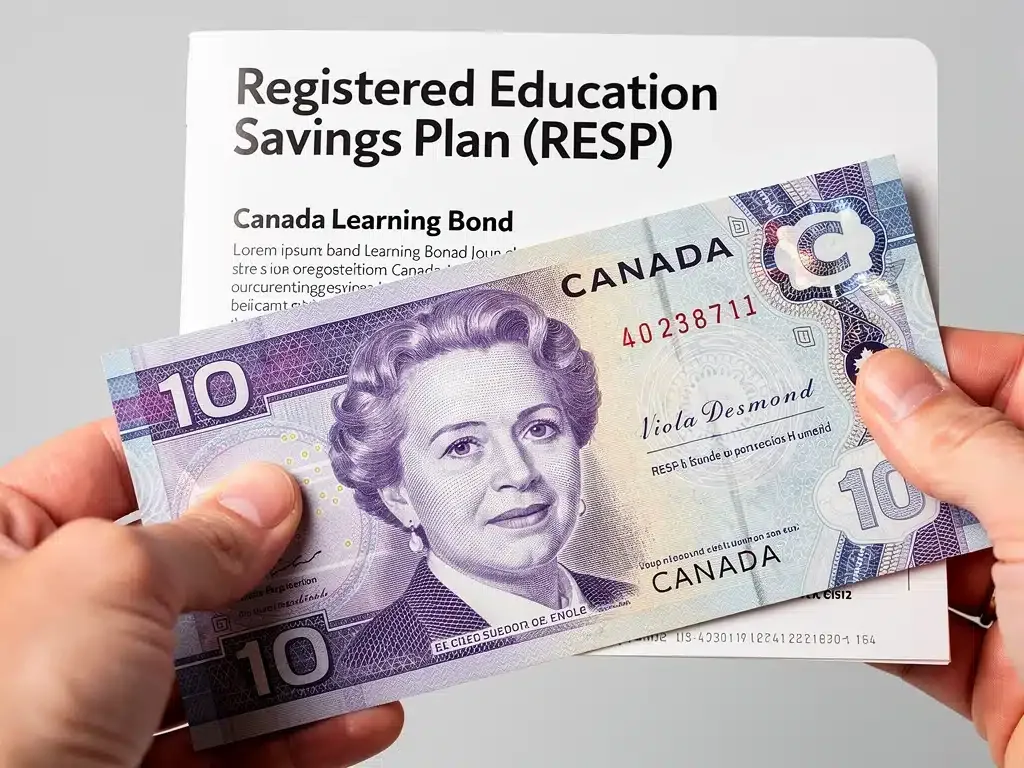
Regardless of the type, the key is that the RESP must be registered with the federal government to receive the CLB. The financial institution managing the RESP will manage the application process for the Canada Learning Bond Eligibility on behalf of the family.
Application Process for the Canada Learning Bond
Applying for the Canada Learning Bond is a crucial step for eligible families to secure these valuable funds. The process is designed to be accessible, primarily handled through financial institutions where an RESP is established.
The primary applicant, usually a parent or legal guardian, needs to open an RESP for the eligible child. Once the RESP is established, they can then apply for the CLB through their chosen financial institution, which acts as the intermediary with the government.
It is important to provide all necessary documentation, including the child’s Social Insurance Number and proof of residency. Ensuring all information is accurate and up-to-date will help expedite the application process for the Canada Learning Bond Eligibility.
Steps to Apply for the CLB
The application for the Canada Learning Bond typically involves a few key steps that families need to follow. Understanding these steps can help streamline the process and avoid potential delays in receiving the funds.
First, ensure the child meets all basic eligibility requirements, including age and Canadian residency. Second, gather all necessary identification documents, particularly the child’s Social Insurance Number, which is non-negotiable for the application.
- Confirm child’s eligibility (age, residency).
- Obtain child’s Social Insurance Number (SIN).
- Open a Registered Education Savings Plan (RESP).
- Apply for the CLB through the RESP provider.
Finally, contact a financial institution that offers RESPs and inform them of your intention to apply for the Canada Learning Bond. They will guide you through the specific forms and procedures required to complete the application for the Canada Learning Bond Eligibility.
Common Application Hurdles and Solutions
While the CLB application process is generally straightforward, some common hurdles can arise, potentially delaying access to the funds. Being aware of these can help families prepare and overcome them efficiently.
One frequent issue is an expired or missing Social Insurance Number for the child or primary caregiver. Ensuring all SINs are valid and readily available before starting the application is critical to avoid delays and confirm Canada Learning Bond Eligibility.
Another challenge can be incomplete or incorrect information on tax returns, which the CRA uses to determine income eligibility. Regular and accurate filing of income taxes is essential, even for those with no reported income, to maintain the family’s eligibility for the Canada Learning Bond.
Maximizing Your Canada Learning Bond Benefits
Beyond simply applying, families can take proactive steps to maximize the benefits received from the Canada Learning Bond. Understanding how the CLB interacts with other programs is key to optimizing educational savings.
While the CLB requires no personal contributions, combining it with the Canada Education Savings Grant (CESG) can significantly boost the RESP. The CESG matches a percentage of personal contributions, further accelerating the growth of educational funds.
Families should also consider long-term financial planning around the RESP, including investment choices within the plan. Although the CLB itself is a grant, the growth of the RESP funds can be influenced by strategic investment decisions, ensuring the full potential of the Canada Learning Bond Eligibility is realized.
Combining CLB with Other Government Grants
The Canada Learning Bond is often just one piece of a larger puzzle of government support for education. Combining it with other grants can significantly increase the total amount available for post-secondary studies.
The Canada Education Savings Grant (CESG) is a prime example. The basic CESG provides a 20% match on the first $2,500 contributed to an RESP annually, up to a lifetime maximum. Lower-income families may also qualify for an additional CESG amount.
Understanding these combined opportunities is crucial for families. Financial institutions are well-versed in these programs and can advise on how to strategically utilize both the CLB and CESG, ensuring families fully leverage their Canada Learning Bond Eligibility and other available benefits.
Long-Term Financial Planning with CLB
Integrating the Canada Learning Bond into a broader long-term financial plan for a child’s education is a smart strategy. The CLB provides a foundational amount that can be built upon through consistent savings and smart investment choices within the RESP.
Even small, regular contributions to the RESP, when combined with the CLB and CESG, can accumulate substantially over time due to compound interest. This approach can turn the initial $2,000 from the CLB into a much larger sum for future educational expenses.

Parents should regularly review their RESP and financial plan to ensure it aligns with their goals and the child’s evolving educational path. Proactive planning helps ensure that the Canada Learning Bond Eligibility serves its full purpose in securing a brighter educational future.
Impact and Benefits of the Canada Learning Bond
The Canada Learning Bond offers substantial benefits, particularly for children from low-income families. Its primary impact is to reduce financial barriers to post-secondary education, promoting greater access and equity in educational opportunities across Canada.
By providing a foundational sum of up to $2,000 directly into an RESP, the CLB encourages early saving for education, even when families cannot contribute financially themselves. This creates an initial nest egg that can grow over time, setting a positive precedent for the child’s future.
Beyond the financial aspect, the CLB can also foster a greater sense of possibility and ambition among children and their families. Knowing that funds are specifically earmarked for their education can motivate students and empower parents to envision and plan for their children’s post-secondary journey, reinforced by their Canada Learning Bond Eligibility.
Breaking Down Educational Barriers
One of the most significant benefits of the Canada Learning Bond is its ability to directly address and break down educational barriers. Financial constraints are a major obstacle for many students from lower-income backgrounds pursuing higher education.
The CLB provides a non-repayable grant that does not depend on family contributions, making it uniquely accessible. This direct financial injection into an RESP helps ensure that socioeconomic status does not solely dictate a child’s access to college or university.
By making post-secondary education more financially feasible, the Canada Learning Bond contributes to greater social mobility and reduces educational inequality. This tangible support underscores the government’s commitment to ensuring all Canadian children have the opportunity to reach their full academic potential, thanks to their Canada Learning Bond Eligibility.
Long-Term Economic and Social Outcomes
The long-term economic and social outcomes associated with the Canada Learning Bond extend far beyond individual beneficiaries. Investing in education through programs like the CLB yields broader societal dividends.
Increased access to post-secondary education often leads to higher earning potential for individuals, contributing to a stronger national economy. Graduates are more likely to participate in the workforce, pay taxes, and contribute to innovation and community development.
Furthermore, a more educated populace generally correlates with improved health outcomes, lower crime rates, and increased civic engagement. Thus, the Canada Learning Bond Eligibility not only benefits individual families but also strengthens the fabric of Canadian society as a whole, promoting a more prosperous and equitable future.
Keeping Up-to-Date on CLB Information
Given that government programs can undergo periodic adjustments, staying informed about the latest information regarding the Canada Learning Bond is crucial. Official government websites and reliable financial news sources are the best places to look.
The eligibility criteria, income thresholds, and application procedures for the CLB are subject to review and potential updates. Families should regularly check these sources to ensure they have the most accurate and current information at hand.
Subscribing to newsletters from financial institutions or government portals can also be an effective way to receive timely notifications about any changes or enhancements to the Canada Learning Bond. Proactive engagement with these resources ensures continuous Canada Learning Bond Eligibility and benefit access.
Official Sources and Government Communications
For the most accurate and up-to-date information on the Canada Learning Bond, official government sources are indispensable. The Government of Canada’s website, particularly the Employment and Social Development Canada (ESDC) section, is the primary authority.
These platforms provide detailed guides, FAQs, and links to relevant forms, ensuring that families have direct access to verified information. Official communications will also announce any upcoming changes or important deadlines related to the CLB program.
- Government of Canada Website: Primary source for all official CLB information.
- Employment and Social Development Canada (ESDC): Detailed program guides and resources.
- Canada Revenue Agency (CRA): Information on income thresholds and tax filing requirements.
Regularly consulting these official channels helps families confirm their Canada Learning Bond Eligibility and ensures they are adhering to all requirements for receiving and utilizing the funds effectively.
Role of Financial Institutions in Information Dissemination
Financial institutions play a pivotal role not only in facilitating the CLB application but also in disseminating information to their clients. Banks, credit unions, and other RESP providers often offer resources and guidance on the program.
Many institutions have dedicated sections on their websites or financial advisors who specialize in education savings. They can clarify complex aspects of the CLB, explain how it integrates with other RESP grants, and help clients navigate the application process.
Families are encouraged to engage with their RESP provider and ask questions. A knowledgeable financial advisor can be an invaluable partner in ensuring continuous Canada Learning Bond Eligibility and maximizing the benefits for a child’s future education.
Addressing Common Misconceptions About the CLB
Despite its long-standing presence, several misconceptions about the Canada Learning Bond persist among Canadian families. Clarifying these can help more eligible individuals access the benefits they are entitled to.
One common misunderstanding is the belief that parents must contribute their own money to the RESP to receive the CLB. This is incorrect; the CLB is a standalone grant that requires no personal contributions from the family.
Another misconception is that the CLB is only for university education. The funds can be used for various forms of post-secondary education, including college, trade schools, and apprenticeship programs, offering flexibility for a child’s future career path, subject to Canada Learning Bond Eligibility rules.
Myth vs. Fact: CLB Contributions
A prevalent myth surrounding the Canada Learning Bond is the requirement for parental contributions, which often deters eligible families from applying. It is crucial to dispel this misconception to ensure broader access to the program.
The fact is, the CLB is a non-contributory grant. The government provides the funds directly into an eligible child’s RESP without parents or guardians needing to deposit any money themselves. This feature makes it uniquely beneficial for low-income families.
While personal contributions to an RESP can attract the Canada Education Savings Grant (CESG), they are not a prerequisite for receiving the CLB. Understanding this distinction is vital for anyone considering the Canada Learning Bond Eligibility for their children.
Flexible Use of CLB Funds
Another common misunderstanding is the perceived rigidity in how Canada Learning Bond funds can be used. Many believe the money is strictly for university tuition, limiting its perceived utility.
In reality, CLB funds, once in an RESP, can be used for a wide range of eligible post-secondary education expenses. This includes tuition fees, books, supplies, and even living expenses for full-time or part-time studies at a qualified educational institution.
This flexibility extends to various forms of education, including recognized colleges, universities, and vocational schools both in Canada and abroad. The broad scope of eligible expenses ensures that the Canada Learning Bond Eligibility truly supports a child’s diverse educational aspirations.
| Key Point | Brief Description |
|---|---|
| CLB Amount | Up to $2,000 for eligible children’s education. |
| Eligibility Focus | Primarily based on child’s age and family’s adjusted net income. |
| RESP Requirement | CLB funds must be deposited into a Registered Education Savings Plan. |
| No Personal Contributions | CLB is a grant; no parental contributions are required to receive it. |
Frequently Asked Questions About the Canada Learning Bond
Who is eligible for the 2026 Canada Learning Bond?▼Children born on or after January 1, 2004, residing in Canada with a valid SIN are eligible. Family income also plays a crucial role, with specific adjusted net income thresholds determining the Canada Learning Bond Eligibility. These thresholds are updated annually by the CRA.
How much money can a child receive from the CLB?▼An eligible child can receive an initial $500, plus an additional $100 for each year they are eligible, up to age 15. This can accumulate to a maximum of $2,000. These funds are deposited directly into a Registered Education Savings Plan (RESP).
Do parents need to contribute money to receive the CLB?▼No, parents or guardians are not required to make any personal contributions to an RESP to receive the Canada Learning Bond. The CLB is a non-contributory grant from the government, designed to help low-income families save for education, making Canada Learning Bond Eligibility accessible.
What can the Canada Learning Bond funds be used for?▼The funds from the CLB, once in an RESP, can be used for a wide range of post-secondary education expenses. This includes tuition, books, supplies, and living expenses for studies at colleges, universities, or trade schools, both in Canada and internationally.
How do I apply for the Canada Learning Bond?▼To apply, you must open a Registered Education Savings Plan (RESP) for the eligible child at a financial institution. Your RESP provider will then assist you in completing the application for the Canada Learning Bond. Ensure all necessary documents, like the child’s SIN, are available.
What this means
The 2026 Canada Learning Bond: Understanding Eligibility for Up to $2,000 in Educational Savings remains a critical tool for Canadian families planning for their children’s future education. It underscores the government’s commitment to equitable access to post-secondary opportunities. Families are encouraged to proactively review their Canada Learning Bond Eligibility, open an RESP, and leverage this valuable resource to secure a brighter academic future. Staying informed about official updates will ensure continuous benefit access and maximize educational savings.