Bank of Canada Q1 2026 Report: Economic Outlook & Personal Loans
Advertisements
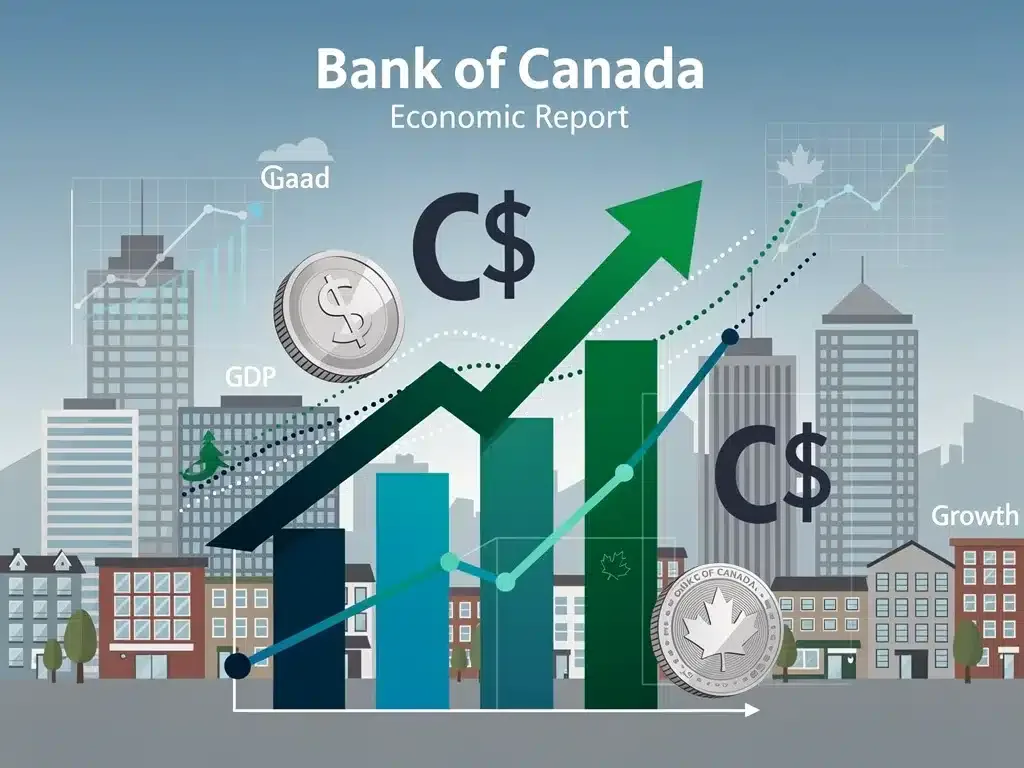
Are your borrowing plans on track for the year, or is the shifting financial landscape about to alter your strategy? The newly released Bank of Canada Q1 2026 Report sheds critical light on the nation’s financial trajectory, setting a vital benchmark for everyday household budgets.
With the central bank navigating geopolitical uncertainties and holding the policy interest rate steady, non-mortgage debt and consumer lines of credit are seeing significant shifts.
For everyday Canadians, understanding these updated monetary projections is essential to predicting whether borrowing costs will ease or stabilize.
As household balance sheets adapt to fluctuating living costs and evolving lending guidelines, staying informed ensures you maintain financial flexibility.
This strategic breakdown unpacks the key indicators driving the nation’s credit market so you can optimize your personal financing decisions.
Understanding the Bank of Canada’s Q1 2026 Economic Outlook
The Bank of Canada’s Q1 2026 Economic Outlook provides a forward-looking assessment of the Canadian economy, covering inflation, growth, and employment projections. These forecasts are critical for central bank policy decisions, particularly concerning interest rates.
The report details the Bank’s current assessment of domestic and global economic conditions, identifying key risks and opportunities that may influence Canada’s financial stability. Such insights directly inform expectations for the Bank of Canada Outlook.
For individuals, these projections translate into tangible impacts on everything from mortgage rates to the cost of personal loans, making the Bank of Canada Q1 2026 Report: Economic Outlook and Its Impact on Personal Loans a document of significant personal relevance.
Key Projections and Forecasts
The Bank of Canada’s Q1 2026 report outlines specific projections for inflation, economic growth (GDP), and the labour market. These figures are crucial indicators of the overall health and direction of the Canadian economy.
According to the report, inflation is expected to gradually return to the Bank’s 2% target, though the path may not be linear. This forecast is a cornerstone of the central bank’s strategy and affects the Bank of Canada Outlook.
- Inflation Trajectory: The report suggests a continued easing of inflationary pressures, albeit with potential volatility from global supply chains and geopolitical events.
- GDP Growth: Modest economic growth is anticipated, driven by resilient consumer spending and business investment, though export performance remains a key variable.
- Labour Market: The labour market is projected to remain relatively tight, with unemployment rates stabilizing, which supports wage growth but could also contribute to persistent inflation.
Global Economic Headwinds and Tailwinds
Canada’s economic performance is inextricably linked to global conditions, and the Bank of Canada Q1 2026 Report carefully considers international factors. Global inflation, supply chain disruptions, and geopolitical tensions all play a significant role.
The report highlights the impact of global energy prices and international trade dynamics on Canada’s economic trajectory. These external forces can either bolster or constrain domestic growth and inflation targets, influencing the Bank of Canada Outlook.
Conversely, easing global supply chain pressures and a stable global financial environment could provide tailwinds, supporting Canada’s economic recovery and stability. The Bank of Canada Q1 2026 Report examines these intricate global connections.
Interest Rates and Monetary Policy: The Core of the Bank of Canada Outlook
The Bank of Canada’s monetary policy decisions, particularly regarding its key policy interest rate, are directly influenced by its economic outlook. These decisions have a ripple effect throughout the Canadian financial system.
The Q1 2026 report provides insights into the Bank’s thinking on future interest rate adjustments, which are critical for anyone considering borrowing or lending. This directly impacts the Bank of Canada Outlook and personal finance.
Changes in the policy rate affect commercial banks’ prime rates, subsequently influencing a wide range of lending products, including personal loans. Understanding this mechanism is key to interpreting the Bank of Canada Q1 2026 Report.
The Role of the Policy Rate
The Bank of Canada’s policy interest rate, often referred to as the overnight rate, is the primary tool for managing inflation and economic stability. By adjusting this rate, the Bank influences borrowing costs across the economy.
A higher policy rate typically leads to higher borrowing costs for consumers and businesses, aiming to cool down an overheating economy and curb inflation. Conversely, a lower rate stimulates economic activity, reflecting the Bank of Canada Outlook.
The Bank of Canada Q1 2026 Report: Economic Outlook and Its Impact on Personal Loans provides guidance on the likely direction of this rate, based on the Bank’s assessment of current and future economic conditions.
Future Interest Rate Projections
While the Bank of Canada does not provide explicit forward guidance on specific rate movements, its economic outlook offers strong indications of its likely trajectory. Market participants closely analyze the report for clues.
Based on the Q1 2026 report, analysts are forming expectations about whether interest rates will hold steady, increase, or decrease in the coming quarters. These projections are vital for financial planning and understanding the Bank of Canada Outlook.
The balance of inflationary pressures versus economic growth will dictate the Bank’s decisions, directly influencing the cost of personal loans and other credit products. The Bank of Canada Q1 2026 Report is a key document here.
Direct Impact on Personal Loans in Canada
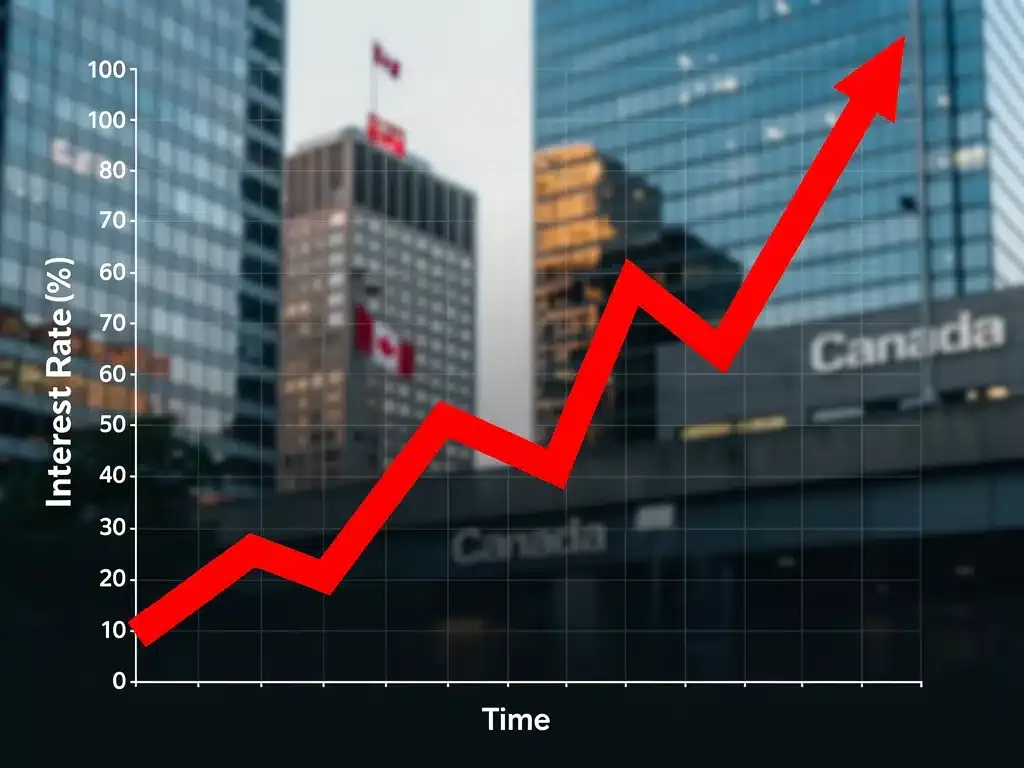
The Bank of Canada’s economic outlook and resulting interest rate decisions have a profound and direct impact on personal loans for Canadian consumers. These effects are felt across various aspects of borrowing.
Higher interest rates generally mean higher borrowing costs, making personal loans more expensive and potentially reducing their accessibility. This is a critical consideration highlighted by the Bank of Canada Outlook.
Conversely, a stable or decreasing rate environment could lead to more affordable personal loans, encouraging consumer spending and investment. The Bank of Canada Q1 2026 Report is therefore essential reading for borrowers.
Cost of Borrowing and Loan Accessibility
One of the most immediate impacts of the Bank of Canada’s monetary policy is on the cost of borrowing. When the policy rate rises, commercial banks typically increase their prime lending rates, which are often used as a benchmark for personal loans.
This means that new personal loans, and variable-rate loans, will likely come with higher interest payments, increasing the overall cost of debt for consumers. The Bank of Canada Outlook directly influences these costs.
- Increased Monthly Payments: Borrowers with variable-rate personal loans may see their monthly payments rise, impacting their disposable income.
- Higher Qualification Standards: Lenders might tighten their eligibility criteria for personal loans due to increased risk associated with higher interest rates.
- Reduced Loan Amounts: Consumers may qualify for smaller personal loan amounts as lenders factor in the higher repayment burden.
Consumer Spending and Debt Management
The economic environment shaped by the Bank of Canada Outlook significantly influences consumer spending habits and debt management strategies. When borrowing becomes more expensive, consumers often become more cautious.
Higher personal loan costs can lead to a reduction in discretionary spending, as more of a household’s budget is allocated to debt servicing. This has broader implications for economic growth, as outlined in the Bank of Canada Q1 2026 Report.
Canadians may also prioritize paying down existing high-interest personal loans to mitigate the impact of rising rates, shifting their financial focus from new purchases to debt reduction. This behavioural change is a direct outcome of the Bank of Canada Outlook.
Regional Disparities and Sectoral Impacts
The impact of the Bank of Canada Q1 2026 Report: Economic Outlook and Its Impact on Personal Loans is not uniform across all Canadian regions or economic sectors. Different areas of the country may experience varying effects.
Provinces heavily reliant on specific industries, such as oil and gas or tourism, might face unique challenges or opportunities based on the broader economic trends. This regional nuance is important for understanding the Bank of Canada Outlook.
Similarly, certain sectors, like housing or retail, will feel the effects of changes in interest rates and consumer confidence more acutely. The Bank of Canada Q1 2026 Report considers these varied impacts.
Varying Provincial Economies
Canada’s diverse provincial economies respond differently to national monetary policy and economic shifts. For instance, resource-rich provinces may be more sensitive to global commodity prices, while manufacturing hubs react to trade policies.
This means that while the Bank of Canada’s policy rate is national, its real-world impact on personal loans and cost of living can vary significantly from one province to another. The Bank of Canada Outlook recognizes these differences.
Residents in provinces with slower economic growth or higher unemployment rates might find it more challenging to secure personal loans or manage existing debt under tighter financial conditions. The Bank of Canada Q1 2026 Report helps to contextualize these differences.
Sector-Specific Challenges and Opportunities
Certain sectors of the Canadian economy are particularly sensitive to changes in interest rates and the overall economic outlook. The housing market, for example, is highly dependent on borrowing costs, impacting both mortgages and personal loans used for home renovations.
The retail sector, which relies heavily on consumer spending financed by credit, could see fluctuations in demand as personal loan availability and cost change. This is a key area of focus within the Bank of Canada Outlook.
Conversely, sectors that benefit from lower import costs or a weaker Canadian dollar (if exchange rates shift) might find opportunities for growth, even amidst broader economic adjustments. The Bank of Canada Q1 2026 Report offers a detailed view of these dynamics.
Strategies for Canadians Amidst the Bank of Canada Outlook
Given the insights from the Bank of Canada Q1 2026 Report: Economic Outlook and Its Impact on Personal Loans, Canadian consumers should consider proactive strategies for managing their finances. Prudent financial planning is more important than ever.
Understanding the potential shifts in interest rates and economic conditions can help individuals make informed decisions about their debt, savings, and investments. This forward-thinking approach aligns with the Bank of Canada Outlook.
By taking a strategic approach, Canadians can mitigate potential risks and capitalize on opportunities presented by the evolving economic landscape. The Bank of Canada Q1 2026 Report provides the foundation for such planning.
Managing Existing Personal Loans
For Canadians with existing personal loans, especially those with variable interest rates, monitoring the Bank of Canada’s decisions is crucial. Understanding how these changes affect monthly payments can prevent financial strain.
Consider strategies such as increasing payments to pay down principal faster, or exploring options to consolidate debt at a fixed rate if further rate hikes are anticipated. This proactive management is vital in response to the Bank of Canada Outlook.
- Review Loan Terms: Regularly check the terms of your personal loans to understand how interest rate changes will affect your payments.
- Consider Debt Consolidation: If you have multiple high-interest personal loans, consolidating them might simplify payments and potentially lower overall interest costs.
- Build an Emergency Fund: A robust emergency fund can provide a buffer against unexpected increases in loan payments or other financial shocks.
Planning for Future Borrowing Needs
For those anticipating the need for personal loans in the future, the Bank of Canada Q1 2026 Report: Economic Outlook and Its Impact on Personal Loans offers valuable foresight. Planning ahead can lead to better borrowing outcomes.
If interest rates are expected to rise, securing a personal loan sooner rather than later, or opting for a fixed-rate loan, might be advantageous. This strategy helps lock in current rates, as suggested by the Bank of Canada Outlook.
Conversely, if rates are projected to decline, waiting to borrow could lead to more favourable terms. Always compare offers from various lenders to find the best fit for your financial situation. The Bank of Canada Q1 2026 Report informs these decisions.

The Bank of Canada’s Communication and Transparency
The Bank of Canada places a high emphasis on clear communication and transparency regarding its economic outlook and policy decisions. This approach aims to provide certainty and predictability to financial markets and the public.
Regular reports, press conferences, and speeches by Bank officials are designed to explain the rationale behind their policies and their interpretation of economic data. This commitment to transparency helps Canadians understand the Bank of Canada Outlook.
This open dialogue is crucial for maintaining public confidence and ensuring that monetary policy is effective in achieving its goals. The Bank of Canada Q1 2026 Report is a prime example of this commitment.
How the Bank Communicates its Outlook
The Bank of Canada utilizes several channels to communicate its economic outlook and policy intentions. The quarterly Monetary Policy Report (MPR), which includes the Q1 2026 report, is a cornerstone of this communication strategy.
These reports are complemented by press conferences held by the Governor, where detailed explanations and answers to media questions are provided. These events shape public understanding of the Bank of Canada Outlook.
Furthermore, speeches and research papers from Bank officials offer deeper insights into specific economic topics and the analytical frameworks used by the institution. The Bank of Canada Q1 2026 Report is part of a larger communication strategy.
Public Trust and Market Expectations
Effective communication from the Bank of Canada is vital for shaping public trust and guiding market expectations. When the Bank’s message is clear, businesses and consumers can make more informed decisions, leading to greater economic stability.
Predictable monetary policy, rooted in a transparent economic outlook, reduces uncertainty in financial markets. This allows for smoother functioning of credit markets, including those for personal loans, as influenced by the Bank of Canada Outlook.
The Bank of Canada Q1 2026 Report contributes to this predictability, helping to anchor inflation expectations and support sustainable economic growth. This fosters a stable environment for financial planning.
Future Considerations and Long-Term Trends
Beyond the immediate Q1 2026 outlook, the Bank of Canada also considers long-term economic trends and structural changes that could impact Canada’s financial future. These broader forces will shape the environment for personal loans in the years to come.
Factors such as demographic shifts, technological advancements, and climate change are increasingly influencing the Bank’s long-term economic projections. These considerations extend the relevance of the Bank of Canada Outlook.
Understanding these long-term trends is essential for both policymakers and individuals to adapt and thrive in an evolving economic landscape. The Bank of Canada Q1 2026 Report touches upon these broader implications.
Demographics, Technology, and Climate Change
Canada’s aging population and evolving immigration patterns have significant implications for the labour force, productivity, and consumer demand. These demographic shifts will influence long-term economic growth and the demand for personal loans.
Technological advancements, particularly in automation and artificial intelligence, can boost productivity but also present challenges for employment and income distribution. The Bank of Canada Outlook monitors these developments closely.
Climate change and the transition to a greener economy introduce both risks and opportunities for various sectors, affecting investment decisions and financial stability. The Bank of Canada Q1 2026 Report considers these multifaceted challenges.
Adapting to a Changing Global Economy
The global economic landscape is constantly shifting, with new trade agreements, geopolitical realignments, and emerging economic powers. Canada’s economy must adapt to remain competitive and prosperous.
The Bank of Canada continuously assesses these global changes and their potential impact on Canadian exports, investment, and financial markets. This ongoing assessment informs the Bank of Canada Outlook.
For Canadians, this means staying informed about global developments is almost as important as understanding domestic policy, especially when planning for significant financial commitments like personal loans. The B Bank of Canada Q1 2026 Report provides a framework for this understanding.
| Key Point | Brief Description |
|---|---|
| Economic Projections | Bank of Canada’s forecasts for inflation, GDP growth, and employment in Q1 2026. |
| Interest Rate Implications | How the policy rate influences the cost and accessibility of personal loans for Canadians. |
| Consumer Strategies | Practical advice for managing existing personal loans and planning for future borrowing needs. |
| Transparency & Trust | The Bank of Canada’s commitment to clear communication shapes public trust and market expectations. |
Frequently Asked Questions About the Bank of Canada Outlook
What is the primary focus of the Bank of Canada Q1 2026 Report?▼The report primarily focuses on the Bank of Canada’s latest economic outlook, including projections for inflation, GDP growth, and employment. It also details the Bank’s assessment of current global and domestic economic conditions, informing future monetary policy decisions and the overall Bank of Canada Outlook.
How will the report affect interest rates for personal loans?▼The report provides crucial insights into the Bank of Canada’s stance on its key policy interest rate. Any indications of future rate hikes or cuts will directly influence prime lending rates, thereby affecting the cost of new personal loans and variable-rate existing loans across Canada, shaping the Bank of Canada Outlook.
What should Canadian consumers do about their personal loans now?▼Consumers should review their current personal loan terms, especially if they have variable rates, and consider how potential interest rate changes might impact their payments. Consulting with a financial advisor and exploring options like debt consolidation or fixed-rate loans could be beneficial, guided by the Bank of Canada Outlook.
Does the report address regional economic differences in Canada?▼While the Bank of Canada’s policy is national, its reports often discuss how economic conditions and policy impacts can vary across different regions and sectors within Canada. This helps to understand the localized effects of the Bank of Canada Q1 2026 Report: Economic Outlook and Its Impact on Personal Loans on various provincial economies.
Where can I find the full Bank of Canada Q1 2026 Report?▼The full Bank of Canada Q1 2026 Report, also known as the Monetary Policy Report, is typically published on the official Bank of Canada website. It is publicly available and provides the most detailed information on the Bank of Canada Outlook and its comprehensive analysis of the Canadian economy.
What This Means for Canadians
The Bank of Canada Q1 2026 Report serves as a vital compass for Canadian consumers and businesses alike. It clarifies the current economic trajectory and offers critical foresight into upcoming financial conditions, particularly concerning personal loans.
Staying informed about the Bank of Canada Outlook allows individuals to proactively adjust their financial strategies, ensuring resilience against potential economic shifts.
As the Bank of Canada continues to monitor inflation and economic growth, its future policy decisions will directly shape borrowing costs and credit availability.
Canadians should pay close attention to subsequent reports and official statements to make well-informed choices regarding their personal finances and debt management.
Ultimately, the detailed analysis within the Bank of Canada Q1 2026 Report empowers Canadians to navigate the complex economic landscape with greater confidence, fostering responsible financial planning and stability in an ever-evolving market.