Expert Analysis: Inflation’s Impact on Canadian Household Debt by 2026
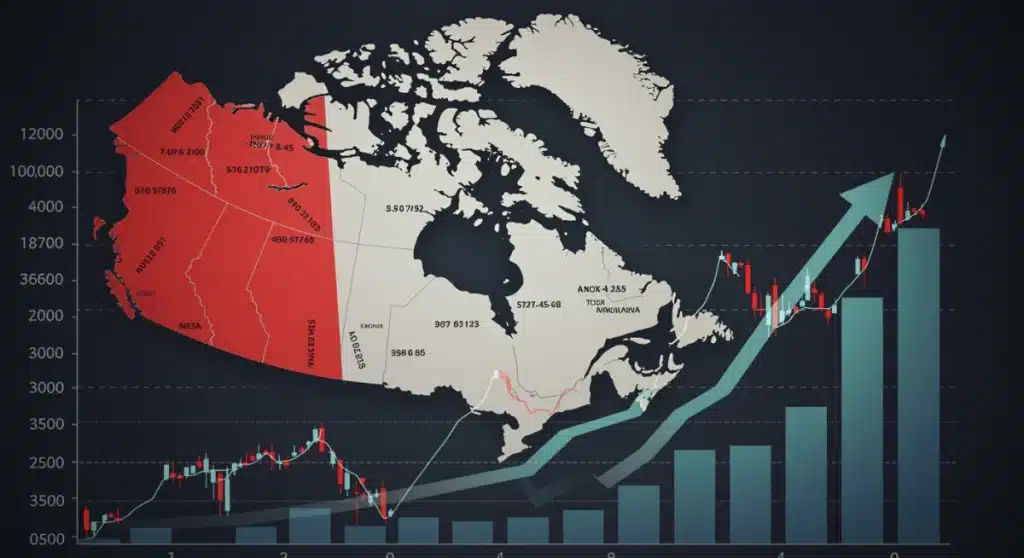
Latest developments on Expert Analysis: The Impact of Current Inflation Trends on Canadian Household Debt by End of 2026, with key facts, verified sources and what readers need to monitor next in Canada, presented clearly in English (Canada).
Expert Analysis: The Impact of Current Inflation Trends on Canadian Household Debt by End of 2026 is shaping today’s agenda with new details released by officials and industry sources. This update prioritizes what changed, why it matters and what to watch next, in a straightforward news format.
Understanding Current Inflationary Pressures in Canada
Canada’s economic landscape is currently defined by persistent inflationary pressures, a phenomenon that has significantly altered the purchasing power of consumers. This environment, characterized by rising prices across various sectors, directly influences the financial decisions and stability of Canadian households.
The Bank of Canada’s monetary policy, including interest rate adjustments, plays a crucial role in attempting to mitigate these inflationary forces. However, the lag effect of these policies means that their full impact on the economy and consumer behaviour is still unfolding.
Understanding the root causes of this inflation, from global supply chain disruptions to domestic demand-side factors, is essential for any comprehensive Expert Analysis: The Impact of Current Inflation Trends on Canadian Household Debt by End of 2026.
The Current State of Canadian Household Debt
Canadian household debt levels have been a long-standing concern, often cited as among the highest in developed nations. This debt comprises mortgages, consumer credit, and other forms of borrowing, all of which are sensitive to economic shifts.
The combination of elevated housing prices and increased cost of living has compelled many Canadians to rely more heavily on credit. This trend exacerbates the vulnerability of households to further economic shocks, particularly those stemming from inflation.
Any comprehensive Expert Analysis: The Impact of Current Inflation Trends on Canadian Household Debt by End of 2026 must therefore critically assess the various components of this debt.
Mortgage Debt and Rising Interest Rates
Mortgage debt constitutes the largest portion of Canadian household debt, and its sensitivity to interest rate hikes is profound. As the Bank of Canada continues its efforts to curb inflation, higher borrowing costs become a significant burden for homeowners, especially those with variable-rate mortgages or upcoming renewals.
The rising cost of servicing mortgage debt directly impacts disposable income, leaving less room for other expenditures or savings. This financial squeeze can lead to increased reliance on other forms of credit, further contributing to overall Canadian household debt.
This dynamic is a central element in understanding the full scope of Expert Analysis: The Impact of Current Inflation Trends on Canadian Household Debt by End of 2026.
Consumer Credit and Cost of Living
Beyond mortgages, consumer credit, including credit cards and lines of credit, has also seen an uptick as Canadians grapple with the rising cost of everyday goods and services. Inflation directly erodes purchasing power, pushing some households to bridge the gap with borrowed funds.
The increased reliance on consumer credit, often carrying higher interest rates, creates a vicious cycle for many. This can lead to a rapid accumulation of debt that becomes increasingly difficult to manage, especially if incomes do not keep pace with inflation.
This aspect of debt accumulation is a critical component of any thorough Expert Analysis: The Impact of Current Inflation Trends on Canadian Household Debt by End of 2026.
Projected Impact of Inflation on Debt by End of 2026
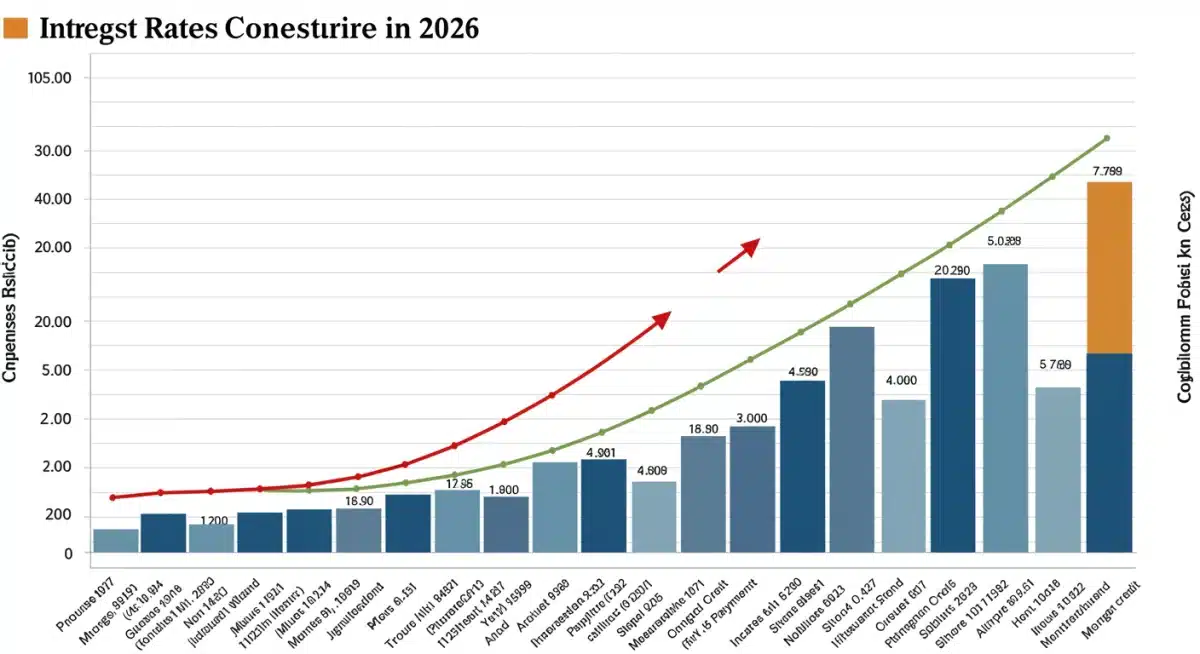
Looking towards the end of 2026, economists and financial institutions project a continued, albeit potentially moderating, impact of inflation on Canadian household debt. The trajectory of interest rates will be a significant determinant in this outlook.
Should inflation remain stubbornly high, or if interest rates need to climb further, the financial strain on households could intensify. Conversely, a swift return to the Bank of Canada’s target inflation rate might offer some respite, though the effects on debt will not be instantaneous.
This forward-looking perspective is fundamental to providing an accurate Expert Analysis: The Impact of Current Inflation Trends on Canadian Household Debt by End of 2026.
Economic Scenarios and Debt Vulnerability
Various economic scenarios are being modelled, each with different implications for Canadian household debt. A soft landing, where inflation gradually returns to target without a significant recession, would be the most favourable outcome for debt management.
However, the risk of a harder landing, characterized by a more pronounced economic slowdown or recession, cannot be discounted. Such a scenario would likely lead to job losses and reduced income, making debt repayment considerably more challenging for many households.
Assessing these scenarios is crucial for a robust Expert Analysis: The Impact of Current Inflation Trends on Canadian Household Debt by End of 2026.
Government and Bank of Canada Responses
Both the federal government and the Bank of Canada are closely monitoring these trends and are expected to adjust policies as needed. Fiscal measures, such as targeted support programs, could alleviate some of the financial burden on vulnerable households.
The Bank of Canada’s primary tool remains monetary policy, specifically interest rate adjustments, aimed at stabilizing inflation. The effectiveness and timing of these interventions will largely shape the economic environment impacting Canadian household debt.
These policy responses are integral to the broader context of Expert Analysis: The Impact of Current Inflation Trends on Canadian Household Debt by End of 2026.

Regional Disparities in Debt Impact
The impact of current inflation trends on Canadian household debt is not uniform across the country. Regional economic differences, including housing market dynamics and employment rates, play a significant role in how households in various provinces experience financial strain.
Provinces with particularly high housing costs, such as British Columbia and Ontario, may see a more pronounced effect as mortgage payments consume a larger share of household income. Conversely, regions with more affordable housing might experience less severe pressure from rising interest rates.
A detailed Expert Analysis: The Impact of Current Inflation Trends on Canadian Household Debt by End of 2026 must therefore account for these geographic variations.
Vulnerable Demographics and Debt Accumulation
Certain demographic groups are disproportionately affected by rising inflation and debt. Lower-income households, young families, and new immigrants often have less financial buffer to absorb increased living costs and higher interest payments.
These groups may find themselves more quickly resorting to high-interest consumer credit, deepening their debt burden. Understanding these vulnerabilities is critical for developing targeted support and policy interventions.
This demographic lens adds an important dimension to the Expert Analysis: The Impact of Current Inflation Trends on Canadian Household Debt by End of 2026.
Sectoral Impacts on Employment and Income
The inflationary environment also has varying impacts across different economic sectors, which in turn affects employment stability and income growth. Industries heavily reliant on consumer spending may face headwinds if households cut back due to financial pressures.
Conversely, sectors that are less sensitive to economic downturns or those experiencing growth might offer more stable employment. These sectoral dynamics directly influence the capacity of households to manage and reduce their Canadian household debt.
Considering these sectoral impacts provides a more nuanced understanding for the Expert Analysis: The Impact of Current Inflation Trends on Canadian Household Debt by End of 2026.
Strategies for Canadian Households to Mitigate Debt
In response to these challenging economic conditions, Canadian households are increasingly seeking strategies to manage and mitigate their debt. Financial literacy and proactive planning are becoming more vital than ever.
Budgeting, debt consolidation, and seeking professional financial advice are among the key approaches being adopted. These strategies aim to reduce the overall cost of debt and improve household financial resilience against inflationary pressures.
This section offers practical insights, complementing the theoretical aspects of the Expert Analysis: The Impact of Current Inflation Trends on Canadian Household Debt by End of 2026.
Budgeting and Expense Management
Effective budgeting is the cornerstone of debt management, particularly in an inflationary environment where every dollar counts. Tracking income and expenses allows households to identify areas where spending can be reduced or optimized.
Prioritizing essential expenditures and cutting back on discretionary spending can free up funds for debt repayment or savings. This disciplined approach is crucial for maintaining financial stability amidst rising costs and is a key recommendation from any Expert Analysis: The Impact of Current Inflation Trends on Canadian Household Debt by End of 2026.
- Create a detailed monthly budget to track all income and expenses.
- Identify non-essential spending that can be reduced or eliminated.
- Set realistic financial goals for debt reduction and savings.
Debt Consolidation and Refinancing Options
For households with multiple debts, consolidation can be an effective strategy to simplify payments and potentially reduce overall interest costs. Options include personal loans, lines of credit, or even refinancing a mortgage to incorporate other debts.
Refinancing a mortgage, while potentially lowering monthly payments by extending the amortization period, should be approached with caution. It can increase the total interest paid over the life of the loan, a factor carefully considered in Expert Analysis: The Impact of Current Inflation Trends on Canadian Household Debt by End of 2026.
- Explore debt consolidation loans to combine high-interest debts.
- Consider refinancing options for mortgages, understanding long-term implications.
- Seek advice from a financial advisor before making major debt restructuring decisions.
The Role of Financial Institutions and Government Programs
Financial institutions and government bodies play a pivotal role in supporting Canadian households through periods of economic uncertainty and high debt. Their policies and programs can offer crucial lifelines and guidance.
Banks are increasingly offering resources and advice on debt management, while government initiatives aim to provide targeted relief to vulnerable populations. These supports are vital components of the broader response to challenges highlighted by Expert Analysis: The Impact of Current Inflation Trends on Canadian Household Debt by End of 2026.
Awareness and accessibility of these programs are key for Canadians navigating complex financial landscapes. Understanding what assistance is available can significantly impact a household’s ability to cope with rising debt.
Bank Support and Debt Counselling
Many Canadian banks offer various forms of financial assistance and debt counselling services to their clients. These can range from temporary payment deferrals for mortgages or loans to personalized advice on budgeting and debt repayment strategies.
Accessing these resources early can prevent debt situations from escalating. Financial institutions are motivated to help customers manage their debt, as it ultimately reduces their own risk exposure, a point often emphasized in Expert Analysis: The Impact of Current Inflation Trends on Canadian Household Debt by End of 2026.
These services are often available at no direct cost to the consumer, providing valuable support during difficult times. Proactive engagement with banks can lead to tailored solutions.
Government Relief Programs and Policy Outlook
The Canadian government has historically implemented various programs to assist households facing financial hardship, and similar initiatives may be introduced or expanded in response to current inflationary pressures. These can include housing benefits, income supports, or tax credits.
Policy decisions by the government will continue to shape the economic environment in which households operate. Future budgets and economic statements will offer insights into planned interventions to address Canadian household debt.
These governmental responses are a critical factor in the evolving narrative of Expert Analysis: The Impact of Current Inflation Trends on Canadian Household Debt by End of 2026.
Long-Term Implications for Canadian Financial Health
The sustained impact of inflation on Canadian household debt has significant long-term implications for the overall financial health of the nation. These effects extend beyond individual balance sheets to influence broader economic stability and growth.
A highly indebted populace can constrain future economic activity, as a larger portion of income is diverted to debt servicing rather than consumption or investment. This creates a delicate balance for policymakers.
The long-term outlook is a central theme in providing a comprehensive Expert Analysis: The Impact of Current Inflation Trends on Canadian Household Debt by End of 2026.
Economic Growth and Consumer Spending
High levels of Canadian household debt, particularly when coupled with rising interest rates, can dampen consumer spending. This reduction in demand can slow economic growth, creating a challenging environment for businesses and job creation.
Policymakers aim to strike a balance between curbing inflation and avoiding an excessive slowdown that could exacerbate debt-related issues. The interplay between these factors determines the pace of economic recovery and future prosperity.
This relationship is a key consideration within any robust Expert Analysis: The Impact of Current Inflation Trends on Canadian Household Debt by End of 2026.
Future Resilience and Financial Stability
The lessons learned from the current inflationary period will undoubtedly shape future financial behaviours and policies. Building greater financial resilience at both the household and national levels will be a priority.
This includes promoting financial literacy, encouraging prudent borrowing, and ensuring robust regulatory frameworks for financial institutions. These measures contribute to the long-term stability of the Canadian financial system.
Ultimately, the goal is to emerge from this period with a more secure foundation for managing Canadian household debt, a critical outcome of any Expert Analysis: The Impact of Current Inflation Trends on Canadian Household Debt by End of 2026.
| Key Point | Brief Description |
|---|---|
| Inflationary Pressures | Persistent high prices impacting consumer purchasing power and borrowing. |
| Household Debt Levels | Canada’s high debt-to-income ratio, predominantly mortgage and consumer credit. |
| Interest Rate Impact | Rising rates increase debt servicing costs, squeezing household budgets. |
| 2026 Outlook | Projections of continued pressure, moderated by potential policy adjustments. |
Frequently Asked Questions About Canadian Household Debt and Inflation
Inflation directly impacts Canadian household debt by eroding purchasing power, leading many to rely more on credit for daily expenses. Additionally, central banks often raise interest rates to combat inflation, which increases borrowing costs for mortgages and other loans, making debt more expensive to service.
Interest rates are a critical factor. Higher rates, typically enacted to control inflation, significantly increase the cost of variable-rate mortgages and consumer loans. This reduces disposable income for households, potentially leading to increased overall Canadian household debt or difficulties in repayment.
The primary components of Canadian household debt include mortgages, which constitute the largest share, followed by consumer credit such as credit card balances, lines of credit, and personal loans. These different debt types react uniquely to inflation and interest rate changes, influencing overall financial stability.
Canadian households can manage debt by creating detailed budgets, prioritizing high-interest debt repayment, and exploring debt consolidation options. Seeking financial counselling, negotiating with lenders, and utilizing government support programs can also provide crucial assistance during challenging economic times.
By the end of 2026, the outlook suggests continued pressure on Canadian household debt, influenced by the trajectory of inflation and interest rates. While some moderation is anticipated, households will likely need to maintain vigilant financial planning and adapt to evolving economic conditions to safeguard their financial health.
Looking Ahead: Navigating the Economic Landscape
The ongoing situation demands continuous vigilance and adaptive financial planning for Canadian households. The Expert Analysis: The Impact of Current Inflation Trends on Canadian Household Debt by End of 2026 underscores that while challenges persist, proactive measures and informed decision-making can significantly mitigate adverse effects. Monitoring policy shifts from the Bank of Canada and government, alongside personal financial adjustments, will be paramount in navigating the evolving economic landscape and fostering greater financial resilience across the country.