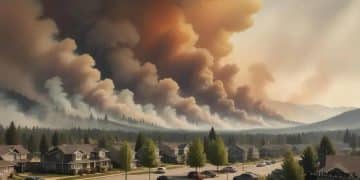
BC wildfire evacuation orders: What you need to know
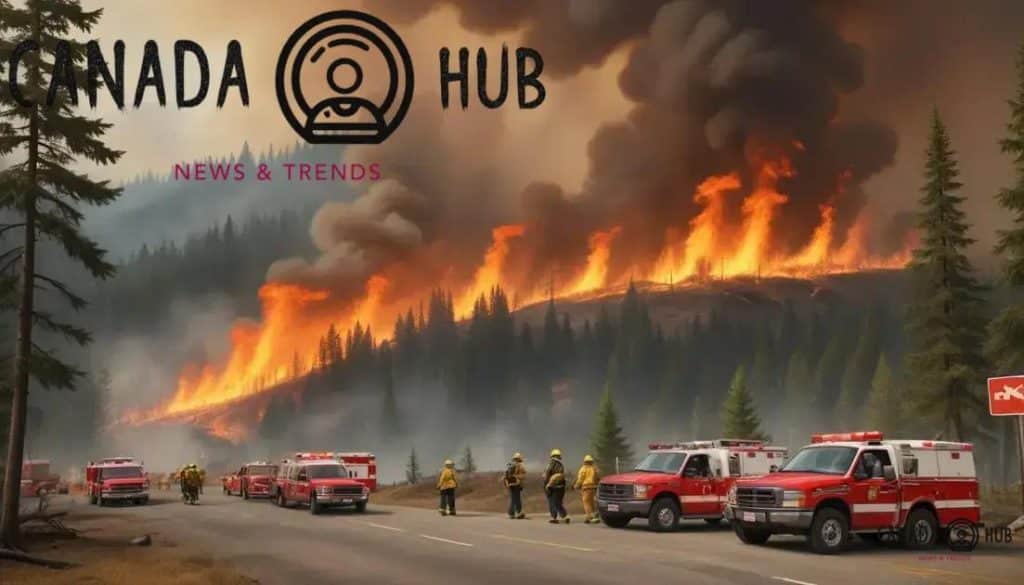
BC wildfire evacuation orders require immediate action; residents should prepare emergency kits, stay informed through official channels, and follow local authorities’ directions for safety during evacuations.
BC wildfire evacuation orders can be issued with little notice, leaving residents scrambling to prepare.
Knowing what to do when such emergencies arise is crucial for your safety and peace of mind.
Understanding BC wildfire evacuation orders
Understanding BC wildfire evacuation orders is essential for anyone living in areas prone to wildfires.
These orders are issued to protect residents and ensure their safety when wildfires become too dangerous.
Knowing how these orders work can help you act quickly and effectively.
What are evacuation orders?
Evacuation orders are formal instructions given by local authorities to evacuate specific areas due to imminent danger from wildfires.
When a wildfire occurs, officials assess its progression and potential threat to communities.
Key reasons for evacuation orders
There are several critical reasons authorities may issue these orders:
- Rapidly spreading wildfires.
- Changes in wind direction affecting fire behavior.
- Risk of smoke inhalation or other health hazards.
Understanding these reasons can help residents appreciate the need for quick evacuation. Staying informed is key.
When an evacuation order is issued, it is often accompanied by information on safe routes to leave the area.
Authorities may recommend specific exit paths to minimize confusion and potential hazards.
Keeping available emergency kits ready is also advised.
Types of evacuation orders
There are generally two types of evacuation orders:
- Mandatory: Residents must evacuate immediately.
- Voluntary: People are advised to leave but are not legally required to do so.
Knowing the difference can help you decide the best course of action during a wildfire event.
Always prioritize your safety and the safety of your family.
To remain prepared, familiarize yourself with emergency plans in your community.
Many regions provide resources and updates on wildfires through online platforms and social media.
Being proactive helps ensure that you know what to do if an unexpected evacuation order is issued.
How to prepare for a wildfire evacuation
Knowing how to prepare for a wildfire evacuation is crucial for anyone living in high-risk areas.
Preparation can save lives and ensure a smoother evacuation process.
Here are several important steps to consider.
Creating an emergency kit
An emergency kit should contain essential supplies for your family. Make sure to include:
- First aid supplies.
- Non-perishable food and water.
- Important documents in a waterproof bag.
- Flashlight and batteries.
Having these items ready will help you quickly evacuate and avoid last-minute scrambles.
Planning your evacuation route
It’s vital to have a clear evacuation route mapped out.
Know multiple ways to leave your home in case your primary route is blocked.
Check local maps and stay informed about safe roads.
Practice your evacuation plan with your family, ensuring everyone knows what to do.
Staying informed during an emergency is also essential.
Sign up for local alerts and check updates on the fire’s status.
Knowledge about the fire’s direction can help you decide when to leave.
Make sure to keep your phone charged and have backup chargers available.
Communicating with your family
Establish a communication plan with your family.
Ensure everyone knows how to reach each other in case of separation.
Choose a family member or friend outside the area to act as a point of contact.
This can provide peace of mind during stressful events.
Documenting critical information is another important step.
Write down medications that everyone takes, insurance policy numbers, and any special needs your family members may have.
This information will be invaluable during and after an evacuation.

What to do during an evacuation order
When an evacuation order is issued, quick and informed action is essential.
Knowing what to do during this time can greatly enhance your safety and the safety of your loved ones.
Follow official instructions
Your first step should be to follow all official instructions from local authorities.
Listen to local news and radio updates, or refer to emergency management websites.
These sources will provide important details about the situation and the safest routes for evacuation.
Pack your essentials
As you prepare to leave, make sure to pack essential items:
- Your emergency kit.
- Important documents, such as IDs and insurance papers.
- Medications and any special items for family members.
Remember to pack these items quickly and efficiently to avoid delaying your evacuation.
While evacuating, remain calm. Drive safely and follow the designated evacuation routes.
Be mindful of emergency vehicles that may be navigating through the area.
In some situations, traffic may be heavy, so staying patient is key.
Communicate your plans
Before leaving, inform family or friends about your plans.
Let them know your destination and how they can reach you.
This can ease anxiety and ensure that someone knows your whereabouts.
If you have pets, ensure they are also included in your evacuation plans and packed appropriately.
If you encounter roadblocks, don’t hesitate to seek help from officials.
They are trained to manage these situations and provide guidance.
You can also connect with local shelters, where assistance may be provided for housing and resources during your evacuation.
Post-evacuation recovery tips
After a wildfire evacuation, recovery can be a challenging process.
Understanding some key steps can make this transition smoother for you and your family.
Assessing your home and property
Once it is safe to return, the first thing to do is check on your home and property.
Look for any visible damage caused by the wildfire, such as burn marks or smoke damage.
Be cautious and avoid entering your home if it seems structurally unsafe.
Contacting your insurance company
It’s important to contact your insurance company as soon as possible.
Report any damages and ask about your coverage for fire-related losses.
Gather any documentation needed to support your claim.
Having this ready can speed up the claims process.
Seeking support and resources
Don’t hesitate to seek help from local resources.
Many communities provide assistance for wildfire survivors. You might find support in various forms:
- Temporary housing options.
- Financial assistance for essential needs.
- Emotional support services.
Checking in with your community can also provide essential information and updates about recovery resources available.
It’s normal to feel overwhelmed after an evacuation. Allow yourself time to process and adapt.
Talk to friends and family for emotional support.
You might consider joining support groups for wildfire survivors, where sharing experiences can be healing.
Keeping updated about recovery options and community meetings can help you stay informed and connect with others facing similar challenges.
Patience is key as you rebuild your life after such a traumatic event.
Resources for staying informed about wildfires
Staying informed about wildfires is crucial for safety and preparedness.
Knowing where to find reliable information can make a significant difference during wildfire season.
Official government agencies
One of the best sources for information is official government agencies.
Websites like the Canadian Wildfire Information System provide real-time updates about wildfire activity, weather conditions, and evacuation orders.
Local news outlets
Your local news outlets are also valuable resources.
They often cover breaking news about wildfires, including evacuation routes and safety tips.
Consider signing up for notifications from your local news channels so you can receive alerts as they happen.
Social media channels
Following relevant social media channels can keep you informed about wildfires in your area.
Many fire departments and emergency management agencies share updates on platforms like Twitter and Facebook. Make sure to follow:
- Your local fire department.
- Emergency management organizations.
- Community pages that share relevant information.
These channels often post timely updates, photos, and safety advice that can be helpful during an emergency.
Mobile apps
There are various mobile apps designed to provide alerts and updates regarding wildfires.
Apps like ReadyForWildfire and FEMA can help you stay informed.
These apps can send push notifications to your phone, keeping important information at your fingertips.
By utilizing these resources, you can stay ahead of the situation and ensure you are prepared for any developments.
Be proactive in checking these platforms, especially during high-risk seasons.
Being prepared for wildfires is essential for your safety and the safety of your loved ones.
Remember to stay informed through official channels and organize your emergency kit well in advance.
During an evacuation, act quickly and follow the guidance provided by local authorities.
Recovery takes time, so utilize available resources and support systems to help rebuild your life.
By taking these steps, you can better protect yourself and your family from the dangers of wildfires.
FAQ – Frequently Asked Questions about BC Wildfire Evacuation Orders
What should I include in my emergency kit for a wildfire evacuation?
Your emergency kit should include water, non-perishable food, medications, important documents, and a flashlight.
How can I stay updated on wildfire risks in my area?
You can stay updated by following local news outlets, official government websites, and social media channels of emergency services.
What steps should I take during an evacuation order?
During an evacuation order, pack your essentials quickly, follow official routes, and communicate your plans with family and friends.
What resources are available for recovery after a wildfire?
Many communities offer resources such as financial aid, temporary housing, and emotional support services to assist wildfire survivors.