2026 SNAP Income Thresholds: Max Food Assistance Benefits
Advertisements
Wondering if your household qualifies for extra grocery support this year? Understanding the 2026 SNAP Income Thresholds is the first step toward unlocking maximum food assistance benefits.
With federal poverty guidelines and living costs shifting, updated gross and net earnings limits determine how much aid families can receive. Even minor adjustments to these caps can make the difference between getting approved or missing out.
Whether you are applying for the first time or checking how recent rule changes affect your monthly EBT allotment, knowing the exact numbers is essential. Here is everything you need to know about the latest eligibility rules and how to claim the full support available to you.
Understanding the New 2026 SNAP Income Eligibility Thresholds
The 2026 SNAP Income Thresholds represent a critical adjustment to the federal program. These thresholds are determined by the federal government and vary based on household size and certain allowable deductions.
Generally, to be eligible for SNAP, a household's gross monthly income must be at or below 130% of the federal poverty level, while net monthly income must be at or below 100% of the federal poverty level. Specific figures for 2026 are expected to be released and finalized in the coming months, typically by early fall of the preceding year.
It is important for applicants to not only meet these income requirements but also to understand how various deductions can affect their net income. These deductions can play a pivotal role in determining eligibility and the final benefit amount a household receives.
Gross Income Limits for 2026
The gross income limit is the total household income before any deductions are applied. For most households, this limit is set at 130% of the federal poverty line, which means that a family's total earnings must not exceed this amount.
These figures are crucial because exceeding the gross income limit, even slightly, can immediately disqualify a household from receiving SNAP benefits. Prospective applicants should carefully review their total income sources, including wages, self-employment income, and certain benefits.
The specific dollar amounts will be published by the USDA and state agencies, and they are subject to change annually based on inflation and other economic indicators. Staying updated with the official releases is key to accurate self-assessment.
Net Income Limits and Allowable Deductions
After gross income is calculated, certain deductions are applied to determine a household's net income. This net income must be at or below 100% of the federal poverty level to qualify for SNAP.
Allowable deductions often include a standard deduction, earned income deduction, dependent care costs, medical expenses for elderly or disabled members, and excess shelter costs. These deductions are designed to reflect a household's true disposable income.
Understanding and accurately reporting all eligible deductions can significantly impact a household's net income, potentially making them eligible for benefits or increasing their monthly allotment. It is advisable to keep thorough records of all expenses that may qualify.
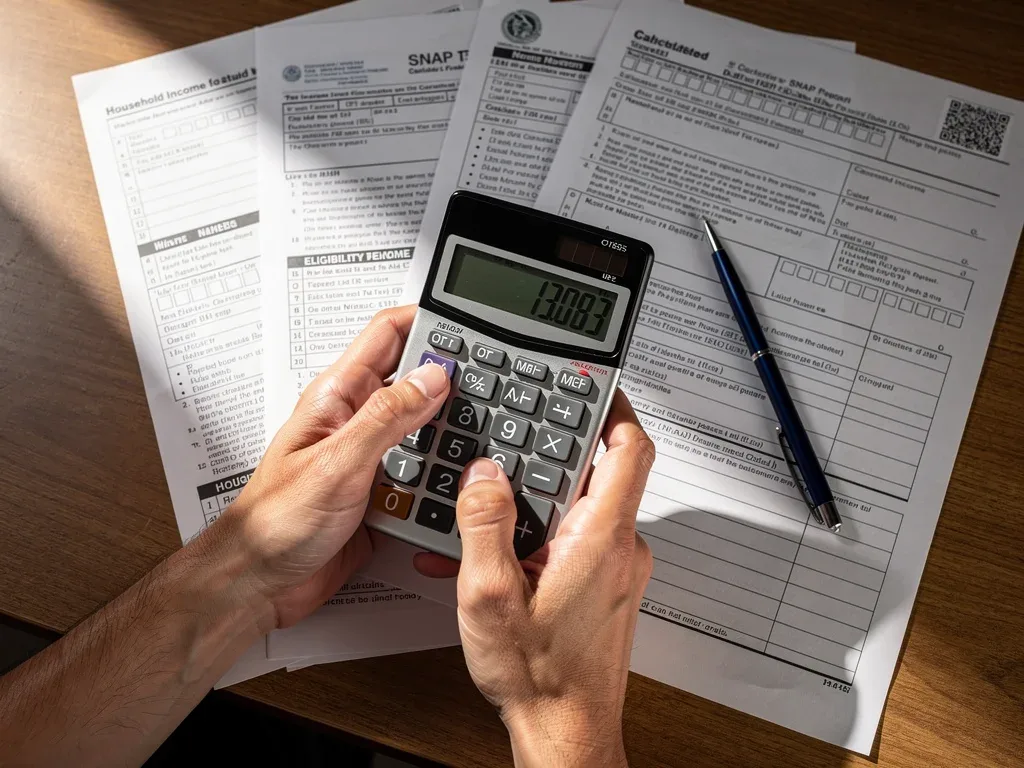
Who Qualifies: Specific Criteria Beyond Income
Beyond the Updated 2026 SNAP Income Eligibility Thresholds, several other criteria determine eligibility. These factors ensure that the program targets individuals and families who genuinely need assistance.
Applicants must meet residency requirements, typically residing in the state where they apply, and adhere to specific citizenship or eligible non-citizen statuses. Certain work requirements also apply to able-bodied adults without dependents (ABAWDs), though exemptions exist.
Assets are another consideration, although many households are exempt from asset limits, especially those with elderly or disabled members. It's important to verify all criteria to ensure a complete and accurate application.
Residency and Citizenship Requirements
To be eligible for SNAP, applicants must be a resident of the state in which they are applying. This ensures that benefits are administered by the appropriate state agency and resources are allocated effectively.
Furthermore, applicants must be U.S. citizens or meet specific eligible non-citizen criteria, which include lawful permanent residents, refugees, asylees, and certain other immigration statuses. Documentation proving status is typically required during the application process.
These requirements are strictly enforced to maintain program integrity and ensure that federal funds are distributed according to established guidelines. Any discrepancies in residency or citizenship status can lead to delays or denial of benefits.
Work Requirements and Exemptions
Most able-bodied adults aged 18-52 without dependents (ABAWDs) are subject to SNAP's work requirements. This generally means they must work or participate in a work program for at least 80 hours per month or volunteer for a certain number of hours.
Adults without dependents must meet specific work engagement criteria.
Exemptions exist for various reasons, including pregnancy, physical or mental unfitness for work, or caring for a child or incapacitated person.
States may also receive waivers for work requirements in areas with high unemployment.
It is crucial for individuals subject to these rules to understand their obligations and any potential exemptions. Failure to comply with work requirements can result in a loss of SNAP benefits.
Maximizing Your SNAP Benefits: Strategies and Tips
Navigating the Updated 2026 SNAP Income Eligibility Thresholds requires careful attention to detail. Several strategies can help eligible households maximize their monthly food assistance allotment.
Accurately reporting all household members, income sources, and allowable deductions is foundational. Any omissions or errors can lead to lower benefits or even disqualification, making thorough documentation indispensable.
Additionally, understanding specific state-level policies and available resources can further enhance the benefit amount. Many states offer additional programs or support services that complement federal SNAP benefits.
Accurate Reporting of Household Information
The size of your household directly impacts the income thresholds and benefit amounts. Ensure all eligible members, including children, spouses, and other dependents living in the same household and purchasing and preparing food together, are accurately reported.
Every household member's income and resources contribute to the overall eligibility determination. Transparency and accuracy in reporting this information are paramount to receiving the correct benefit amount and avoiding potential issues.
It is also important to report any changes in household composition or income promptly to your local SNAP office. Delays in reporting can result in overpayments or underpayments, which may require repayment or adjustments to future benefits.
Utilizing All Allowable Deductions
As mentioned, deductions play a significant role in lowering your net income, potentially increasing your SNAP benefits. Do not overlook any eligible deductions when completing your application.
Common deductions include a standard deduction (which varies by household size), 20% of earned income, actual child care costs, and certain medical expenses for elderly or disabled members. Excess shelter costs, such as rent, mortgage, and utilities, exceeding 50% of your household's income after other deductions, can also be deducted up to a cap.
Standard Deduction: Automatically applied to all households.
Earned Income Deduction: 20% of gross earned income is disregarded.
Dependent Care Deduction: Costs for child or incapacitated adult care.
Medical Expense Deduction: For elderly or disabled members, over $35 per month.
Excess Shelter Deduction: Housing costs exceeding 50% of income, up to a limit.
Keeping detailed records and receipts for all potential deductions is highly recommended. This documentation will be essential if your application requires verification or review by the SNAP agency.
The Application Process: Step-by-Step Guide
Applying for Updated 2026 SNAP Income Eligibility Thresholds involves a structured process. Understanding each step can streamline your application and reduce delays.
The journey typically begins with submitting an application, either online, by mail, or in person, to your state's SNAP agency. This initial submission is followed by an interview and verification of the provided information.
Timely submission of all required documents is crucial for a smooth process. Any missing information can cause significant delays in receiving your much-needed food assistance benefits.
Submitting Your Application
The first step is to complete and submit an application to your state's SNAP office. Most states offer online applications, which are often the quickest and most convenient method.
Alternatively, you can usually download an application, fill it out, and mail it in, or visit a local office to apply in person. Be sure to fill out all sections accurately and completely to avoid processing delays.
It is advisable to keep a copy of your submitted application for your records. This can be useful for tracking its status or if any questions arise during the review process.
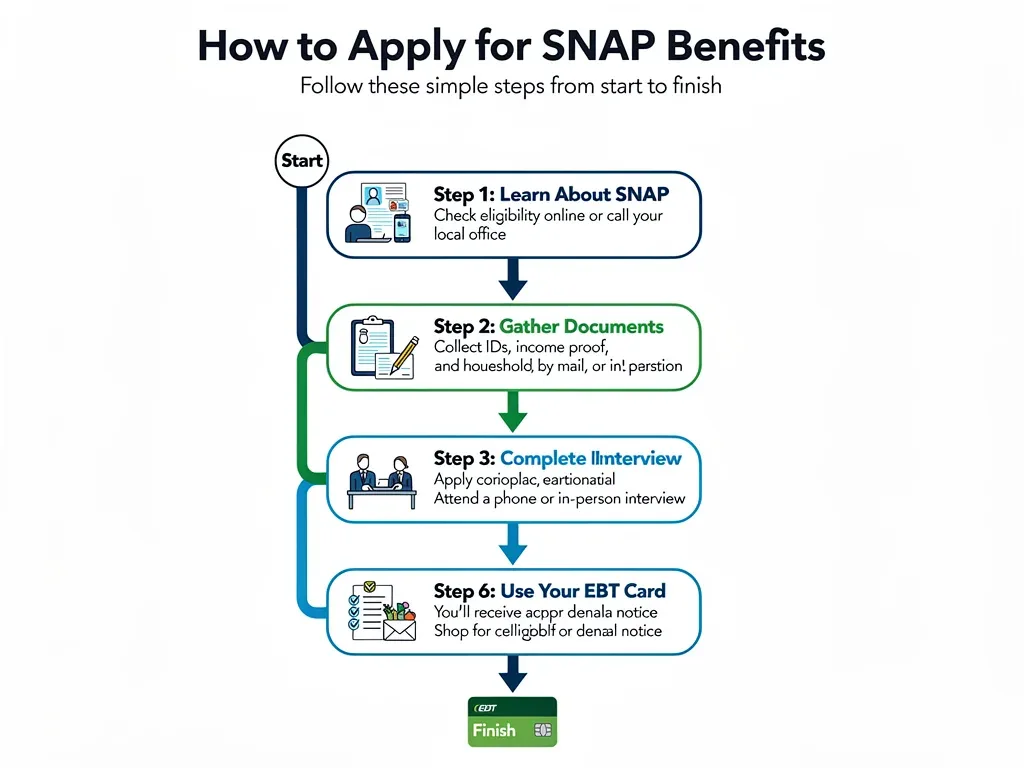
The Interview and Verification Process
After submitting your application, a SNAP caseworker will typically conduct an interview, either by phone or in person. This interview is an opportunity to clarify any information on your application and ask questions.
During this phase, you will also be asked to provide documentation to verify your identity, residency, income, assets, and other eligibility factors. Examples include pay stubs, bank statements, utility bills, and proof of household composition.
Responding promptly to requests for additional information is critical. The faster you provide the necessary documentation, the sooner your application can be processed and benefits, if approved, can be issued.
Addressing Common Challenges and Misconceptions
Many individuals face challenges or hold misconceptions when applying for Updated 2026 SNAP Income Eligibility Thresholds. Addressing these can help potential applicants confidently navigate the system.
One common issue is misunderstanding what counts as income or an asset, leading to inaccurate reporting. Another is the perception that the application process is overly complex or time-consuming, deterring eligible individuals from applying.
It is important to remember that resources are available to assist with the application, and state agencies are generally committed to helping eligible households receive benefits. Seeking clarification when unsure is always the best approach.
Income and Asset Misconceptions
A frequent misconception is that all assets are counted towards eligibility. For many households, particularly those with elderly or disabled members, asset limits may not apply or are significantly higher.
Another common misunderstanding pertains to income from seasonal or irregular work. All income, regardless of its consistency, must be reported, but deductions for work expenses can often be applied.
Clarifying these points with a caseworker or by consulting official state SNAP guidelines can prevent errors and ensure an accurate eligibility assessment. Don't let myths prevent you from applying.
Navigating the Application Complexity
While the SNAP application can seem daunting, particularly for first-time applicants, it is designed to be manageable. Many states offer simplified applications or assistance programs to guide individuals through the process.
Local social service agencies, food banks, and community organizations often provide free assistance with SNAP applications. These resources can be invaluable for understanding the requirements and gathering necessary documentation.
Remember, the goal of the SNAP program is to provide food assistance to those in need. Do not hesitate to seek help if you find the application process challenging; support is readily available.
Future Outlook and Program Evolution
The Updated 2026 SNAP Income Eligibility Thresholds are part of an evolving landscape of federal assistance. Program changes are continuous, adapting to economic shifts and policy priorities.
Policymakers regularly review SNAP's effectiveness, considering adjustments that could broaden access or streamline administration. These discussions often involve balancing fiscal responsibility with the imperative to address food insecurity.
Staying informed about potential legislative changes or administrative updates beyond the current threshold announcements is important. These future developments could further impact eligibility, benefit amounts, and the overall user experience for beneficiaries.
Potential Policy Changes and Debates
SNAP often becomes a topic of debate in legislative circles, with discussions centered on work requirements, benefit levels, and funding. Advocacy groups consistently push for enhancements to the program to better serve vulnerable populations.
Future policy changes could include adjustments to the types of income or assets considered, expansion of eligibility to more groups, or changes in how benefits are calculated. These discussions are ongoing and can influence future program guidelines.
Monitoring news from federal agencies like the USDA and legislative bodies will provide insight into potential future directions for the SNAP program. Such information helps beneficiaries and advocates prepare for what lies ahead.
Impact of Economic Conditions on SNAP
Economic conditions, such as inflation, unemployment rates, and poverty levels, directly influence SNAP's design and funding. The Updated 2026 SNAP Income Eligibility Thresholds are a direct reflection of these broader economic trends.
During periods of economic downturn, the program typically sees increased enrollment and sometimes temporary adjustments to benefit levels or eligibility rules to address heightened need. Conversely, periods of economic growth might lead to discussions about stricter requirements.
The program's flexibility to respond to changing economic landscapes ensures its relevance and effectiveness as a critical safety net. This adaptability is vital for supporting households through various economic cycles.
Key Point | Brief Description |
|---|---|
Income Thresholds | Gross and net income limits updated for 2026, based on federal poverty levels. |
Eligibility Criteria | Includes residency, citizenship, work requirements, and asset limits (with exemptions). |
Maximizing Benefits | Accurate reporting of household data and utilizing all eligible deductions. |
Application Process | Steps include submission, interview, and verification of required documents. |
Frequently Asked Questions About 2026 SNAP Eligibility
What are the primary changes to the 2026 SNAP income eligibility thresholds?▼
The primary changes involve adjustments to both gross and net income limits, which are updated annually to reflect current federal poverty levels and economic conditions. These revisions aim to ensure SNAP remains responsive to the financial needs of low-income households.
How do I find the exact income limits for my household size in 2026?▼
The exact income limits for 2026 will be released by the USDA and your state's SNAP agency, typically in late 2025. You can find these figures on your state's official SNAP website or by contacting your local SNAP office directly for the most accurate information.
Can deductions help me qualify for SNAP even if my gross income is slightly above the limit?▼
Yes, absolutely. Allowable deductions, such as for earned income, dependent care, and medical expenses for elderly/disabled members, can significantly lower your household's net income. This can help you meet the net income limit, even if your gross income is slightly higher than the threshold.
What documents are typically required when applying for SNAP benefits?▼
You will generally need documents proving identity, residency, citizenship/eligible non-citizen status, income (pay stubs, tax returns), assets (bank statements), and household expenses (rent, utilities, medical bills). Having these ready can expedite your application process significantly.
Where can I get assistance with my SNAP application if I find it complicated?▼
Many resources are available. Your state's SNAP agency can provide direct assistance. Additionally, local food banks, community centers, and non-profit organizations often offer free help with completing and submitting SNAP applications, providing valuable guidance and support.
What this means
The Updated 2026 SNAP Income Eligibility Thresholds underscore the dynamic nature of federal assistance programs. These adjustments are vital for ensuring that SNAP continues to serve its purpose as a critical safety net, adapting to the economic realities faced by millions of Americans.
It is essential for current and prospective beneficiaries to remain proactive in understanding these changes, meticulously reviewing their financial situations, and seeking assistance when needed. As the program evolves, staying informed through official channels will be key to accessing the maximum support available for food security.